Choosing a cold climate heat pump for Canterbury
We fit heat pumps for frosty Canterbury winters and size them for your coldest rooms. Here's what to look for in output and defrost before you buy.
Prefer to talk? Call 03 242 1023
Why cold weather changes the heat pump you need
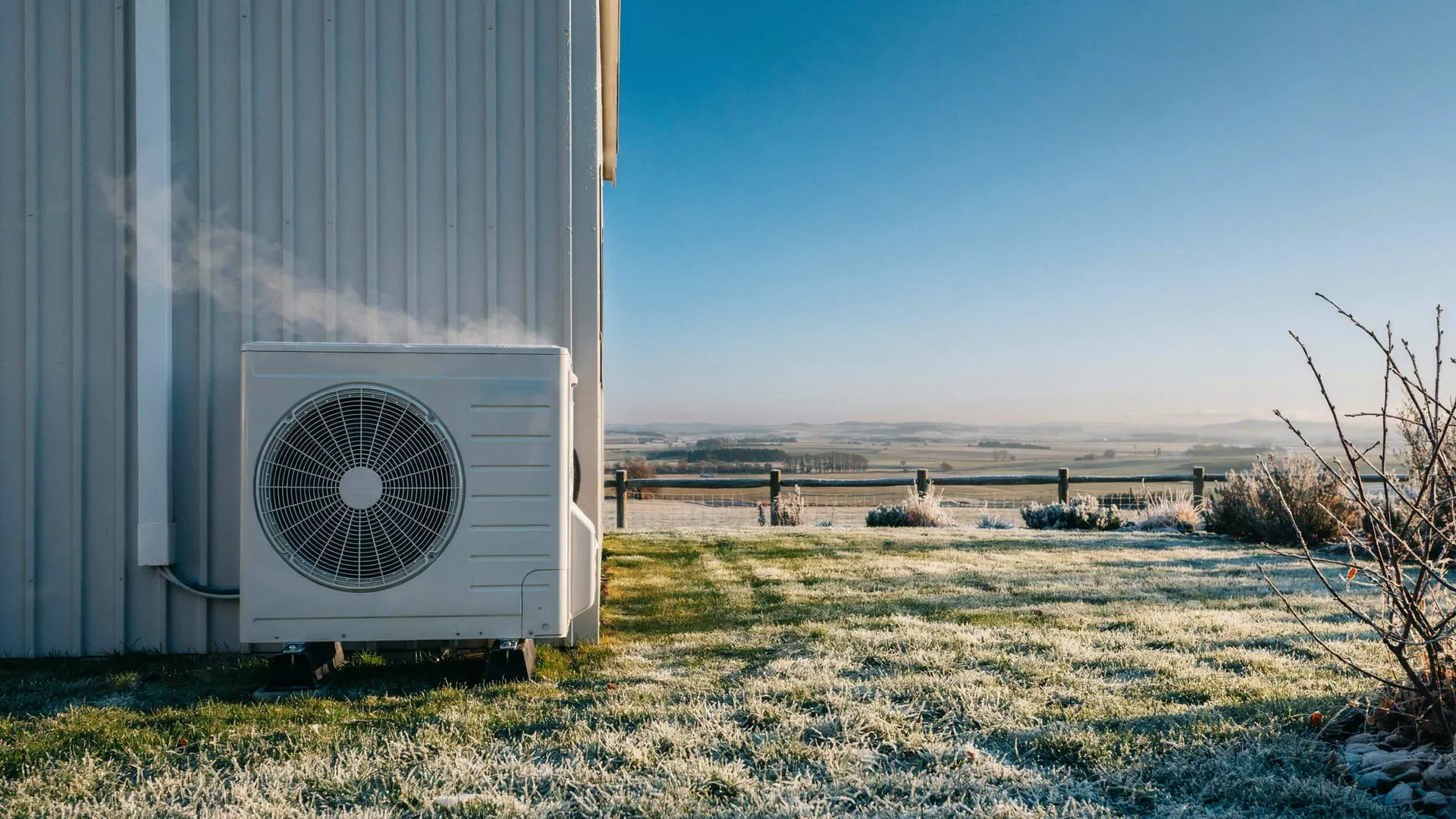
A heat pump warms your house by pulling heat out of the outside air. The colder that air, the harder the job, and a frosty Canterbury night makes it harder in two ways.
- The house needs more heat just when the air has less to give. Some models keep their output up as it gets colder. Others drop off.
- Frost forms on the outdoor coil. Below 5.5°C outside, the unit has to deal with frost. It has to use some of its heating power to defrost the coil.
A cold climate heat pump copes with both. It keeps enough output to hold the room warm on the coldest mornings. And it defrosts without leaving the room cold for long.
What to look for in a cold climate heat pump
Check these three figures for the exact model, not just the brand.
The 2°C heating figure on the label
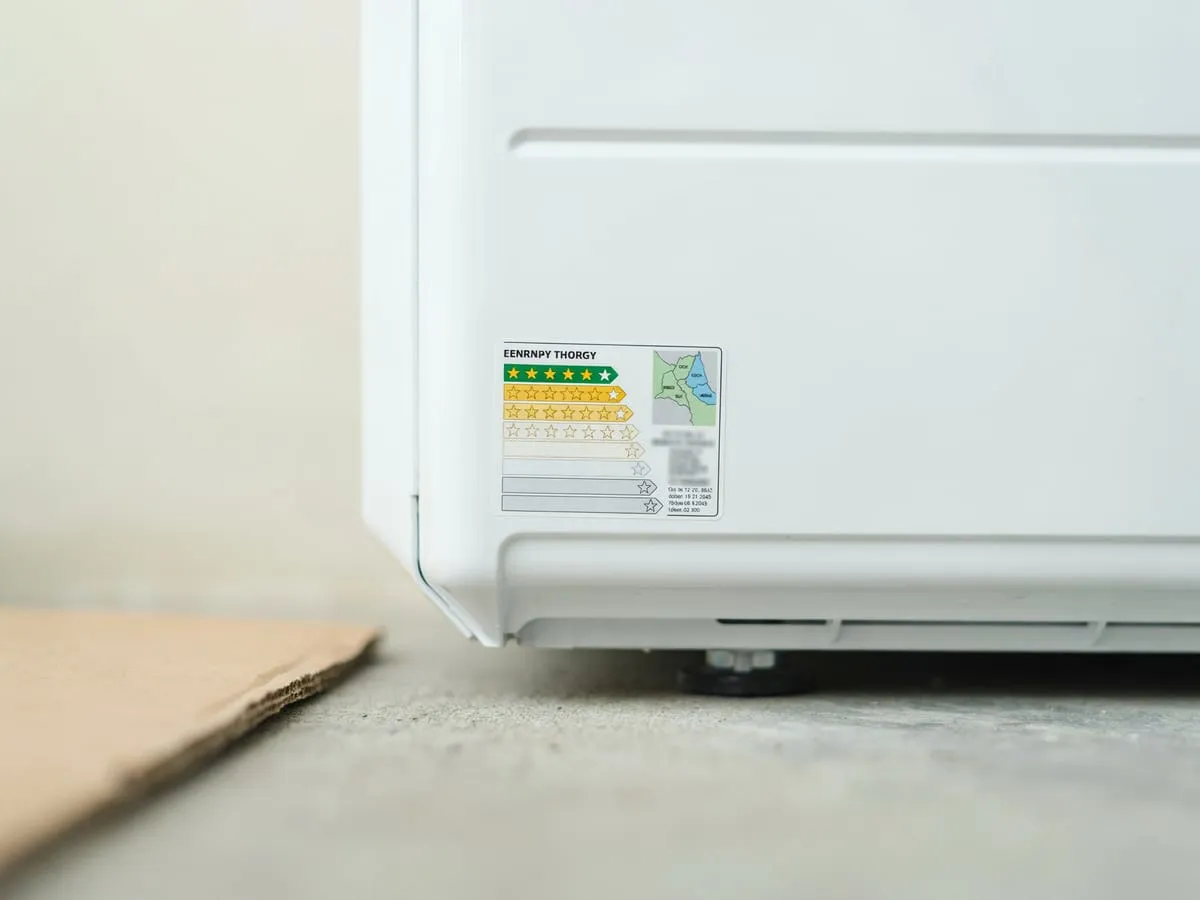
New heat pump models sold here carry the Zoned Energy Rating Label. It shows the heating output at two outdoor temperatures, 7°C and 2°C. If your winter nights get down to 2°C or lower, check the 2°C figure is the same as the 7°C one, or higher. Use it to compare models. Some units don’t cope well with frost. They give less heat at 2°C than at 7°C.
Heating stars for the Cold zone
On the label, all of New Zealand is in the Cold zone. The heating stars there show how efficient the unit is against others of a similar size. More stars means less power for the same heat. Our energy rating label guide goes through every part of the label.
The heating operating range
Every model has a lowest outdoor temperature it will keep heating at. It varies a lot from model to model. So check the exact model, not just the brand. Some specs also give a lower temperature that the unit keeps full rated output down to. Note the gap between those two numbers. Running at a temperature isn’t the same as giving full output at it.
A base heater or de-icer
Some outdoor units have a heater in the drain tray. It stops ice building up in the base. It doesn’t add heat to the room. It’s handy where frosts are heavy and regular.
Get a free quote. Installs, servicing and repairs on all major brands.
Sizing a heat pump for the coldest mornings
When a heat pump struggles in winter, it’s rarely the brand. More often the unit was picked for an average day, not a cold one. We size from the rooms, insulation, windows and how you use the house. Then we check the unit’s output when it’s cold outside. Not just its headline kW.
This matters most in rooms with high ceilings, lots of glass, open stairwells or poor insulation. On a frosty morning those rooms lose far more heat than on a mild day. The heat pump sizing guide shows how the sums work.
Placing the heat pump outdoor unit for frost
Where the outdoor unit sits changes how it copes with the cold.
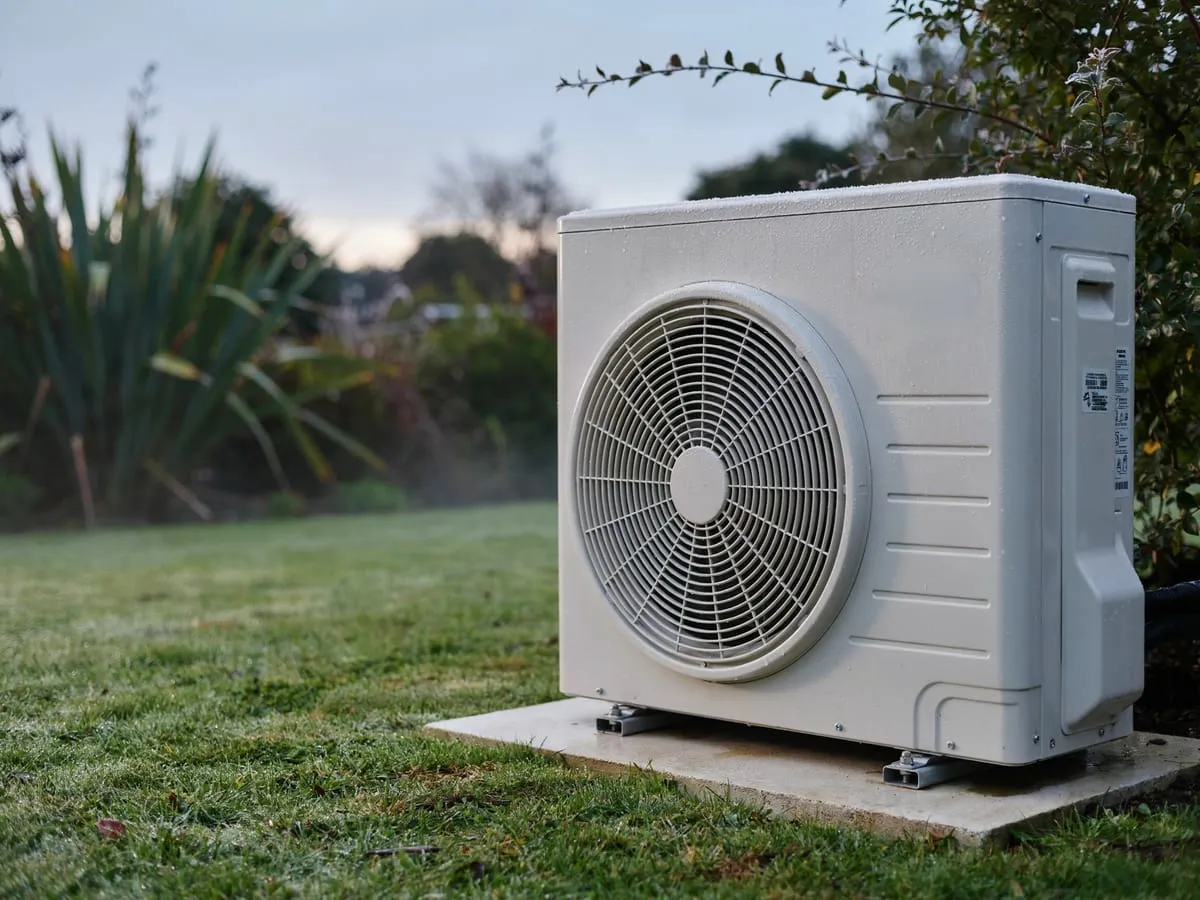
- Up off the ground. Feet or a wall bracket keep the coil clear of ground frost. Ice can fall away from the base.
- A clear drain path. Defrosting makes meltwater. It needs to drain to garden or gravel. Not onto a path, deck or driveway where it will freeze.
- Away from drips and drifts. Under a roof edge with no spouting, the unit gets dripped on and ices up. Keep it clear of where snow slides off the roof.
- Open air around it. Boxed in by fences or a tight cover, it breathes its own cold air back in. That means more frost and more defrosting. Our heat pump covers guide shows screens that leave enough room.
Cold climate heat pumps across Christchurch and Selwyn
Frosts are usually harder out on the plains than near the coast. Where your house sits changes what to plan for.
- The plains. In Lincoln and Templeton, still, clear nights bring hard frosts. Size for a frosty morning. Keep the outdoor unit out of spots where frost hangs around longest, like a shady corner against a south wall.
- Low ground. Cold air settles on the flat around Tai Tapu, and still nights by the estuary in Bexley bring frost and fog. Raise the unit on feet or a stand so meltwater runs away.
- The hills. In Kennedys Bush, wind across the hillside strips heat faster, and the outdoor unit defrosts often on frosty mornings. Keep it out of the main wind where you can.
- The coast. Beach-side homes in South New Brighton take the full easterly. Wind can matter as much as frost there, so the outdoor unit goes on the sheltered side of the house.
- Rural blocks. On McLeans Island, the outdoor unit should sit out of the prevailing nor’west, on a raised base clear of long grass.
Getting a quote for a cold climate heat pump
We size the unit for your coldest rooms. For each model we suggest, we show you the 2°C heating output and the Cold zone heating stars. That way you’re comparing like with like. Those models can come from any of our five brands: Mitsubishi Electric, Daikin, Fujitsu, Toshiba and Rinnai.
For a free quote, call 03 242 1023 or ask for a quote online.
Cold climate heat pump questions
What is the best heat pump for a cold climate?
No one model suits every house. The right one holds its heating output when it's cold outside. It has good Cold zone heating stars on the energy label. And it's sized for your rooms on the coldest mornings. We compare those figures for every model we quote.
Do heat pumps work in frost?
Yes. Below about 5.5°C outside, frost starts to form on the outdoor coil. The unit runs short defrost cycles to clear it. A unit built for the cold handles this well. Check the lowest outdoor temperature the model is rated to heat at.
Is a bigger heat pump better in a cold climate?
Not always. A unit that's too big keeps switching on and off. That can feel less comfortable. What counts is enough output when it's cold outside. That's why the 2°C heating figure on the label is worth a look. Our sizing guide shows how we work out the output.
Where should the outdoor unit go in a frosty area?
Up off the ground, on feet or a bracket. Clear of roof drips and drifting snow. The defrost water needs a clear path away. Don't let it pool on a path or driveway where it can freeze.
More on heat pumps in winter

Low temperature performance
How heat pumps behave below zero and what to do when output drops.
Read the low temperature performance guide →
Energy rating labels
How to read the stars and kWh figures on the label.
Read the energy rating labels guide →
Heat pump sizing
Working out the kW your rooms need.
Read the heat pump sizing guide →Get a free heat pump quote
Free quotes, no obligation. We call or email you back the same working day. Monday to Friday, 8am to 5pm.
Call 03 242 1023Request a call back