Types of heat pumps and where each one fits
We install wall, floor, ceiling and ducted heat pumps in Christchurch homes. Here's what each type does well, where it falls short, and which layout suits your rooms.
Prefer to talk? Call 03 242 1023
Why types of heat pumps come down to two choices
Picking between types of heat pumps is really two separate choices. People often mix them up.
- The system layout. Single split, multi split or ducted. This decides how many rooms get heated and how many outdoor units you need.
- The indoor unit. High wall, floor console, ceiling cassette, bulkhead or ducted vents. This decides how warm air moves round the room. It also decides what you see on the wall or ceiling.
They’re all air-to-air, reverse-cycle systems. In winter they pull heat from the outside air. In summer they reverse to cool. All three indoor unit styles can heat or cool.
High wall heat pumps
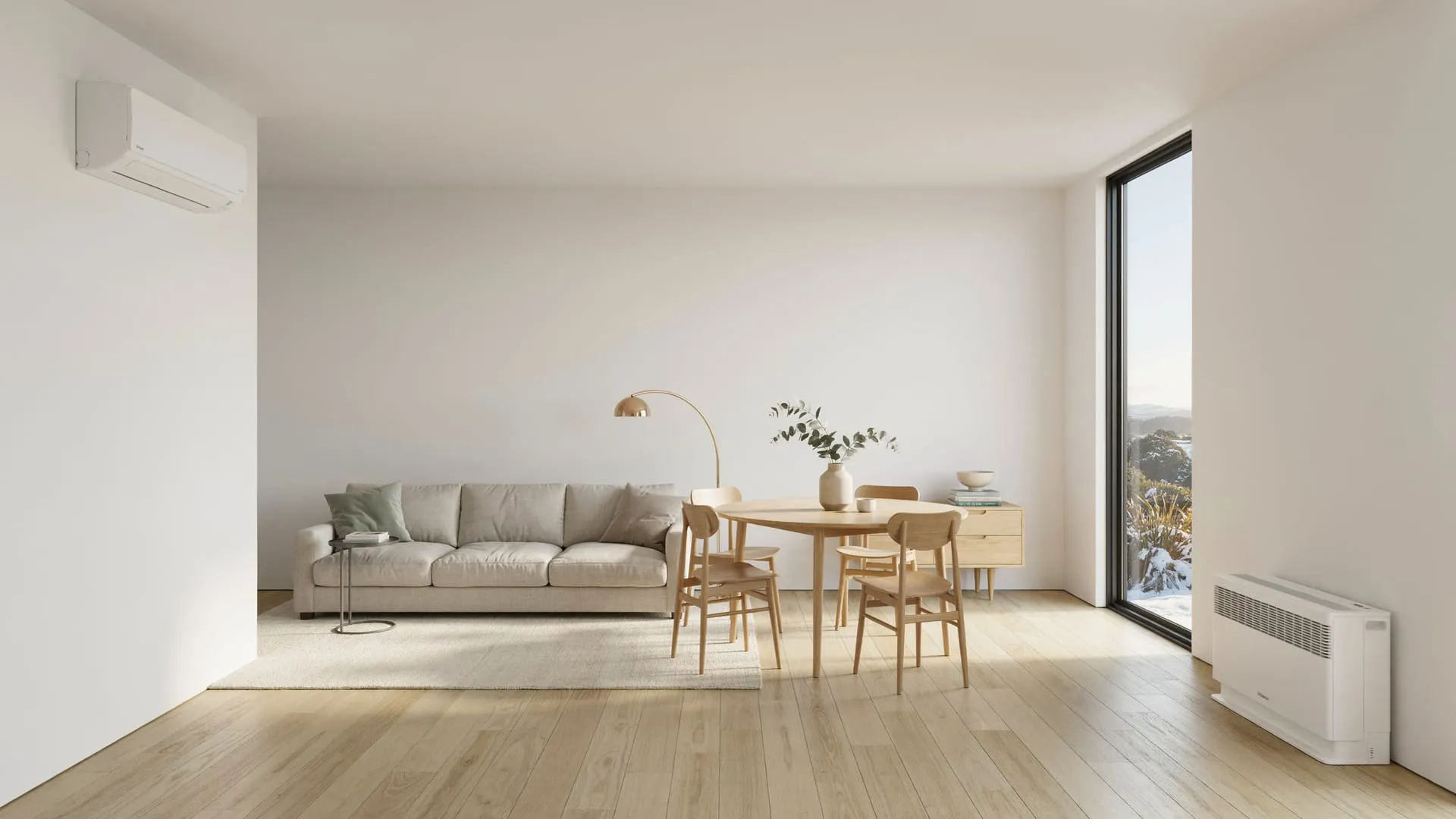
The high wall unit is the white box you know, mounted up near the ceiling. Warm air blows out across the room. It mixes with the room air and drops down to where you sit.
Good for: bedrooms and living rooms. Rooms short on floor space. Homes that want cooling in summer. High wall and ceiling units cool better and give you more freedom with furniture.
Watch for: in a room with a very high ceiling, warm air can collect up top. Where it goes matters. Aim it at the coldest part of the room, but not at a window. The bottom of a high wall unit should sit at least 2 metres from the floor. More on high wall heat pumps and how we fit them.
Get a free quote. Installs, servicing and repairs on all major brands.
Floor console heat pumps
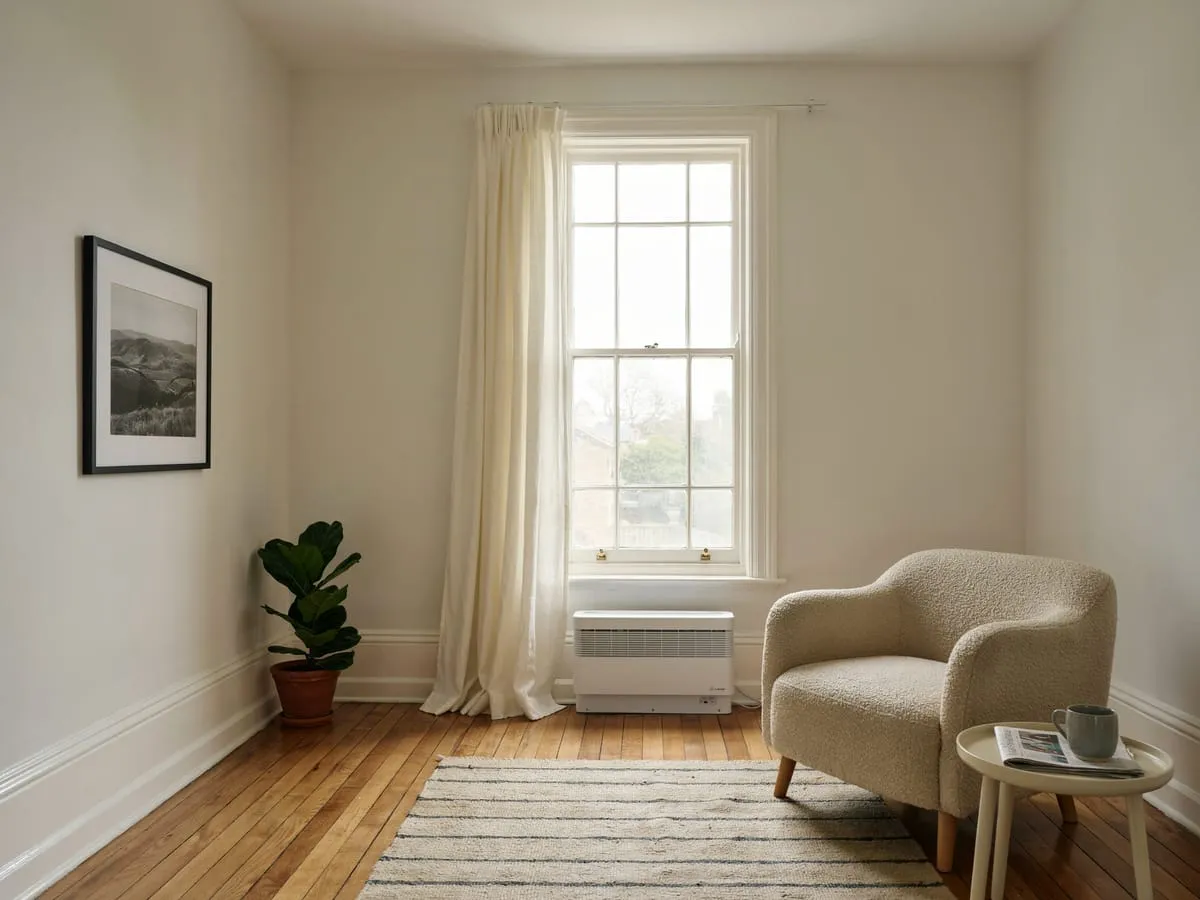
A floor console sits low on the wall. It’s about the height of a small cabinet. It blows warm air out at floor level. Lots of models blow from the top at the same time.
Good for: heating. Floor consoles are mainly built for heating, because warm air rises and cold air falls. They suit rooms with sloped ceilings or no high wall space. They fit under a window. They’re a good swap for an old fireplace or wood burner. And they suit older people who want the warmth close and filters they can reach without a ladder. More on floor mounted heat pumps and where they work best.
Watch for: furniture in front of the unit. Anything in the airflow can push warm air straight back into the unit. That cuts efficiency. Consoles also take up floor space.
Ceiling cassettes and bulkhead units
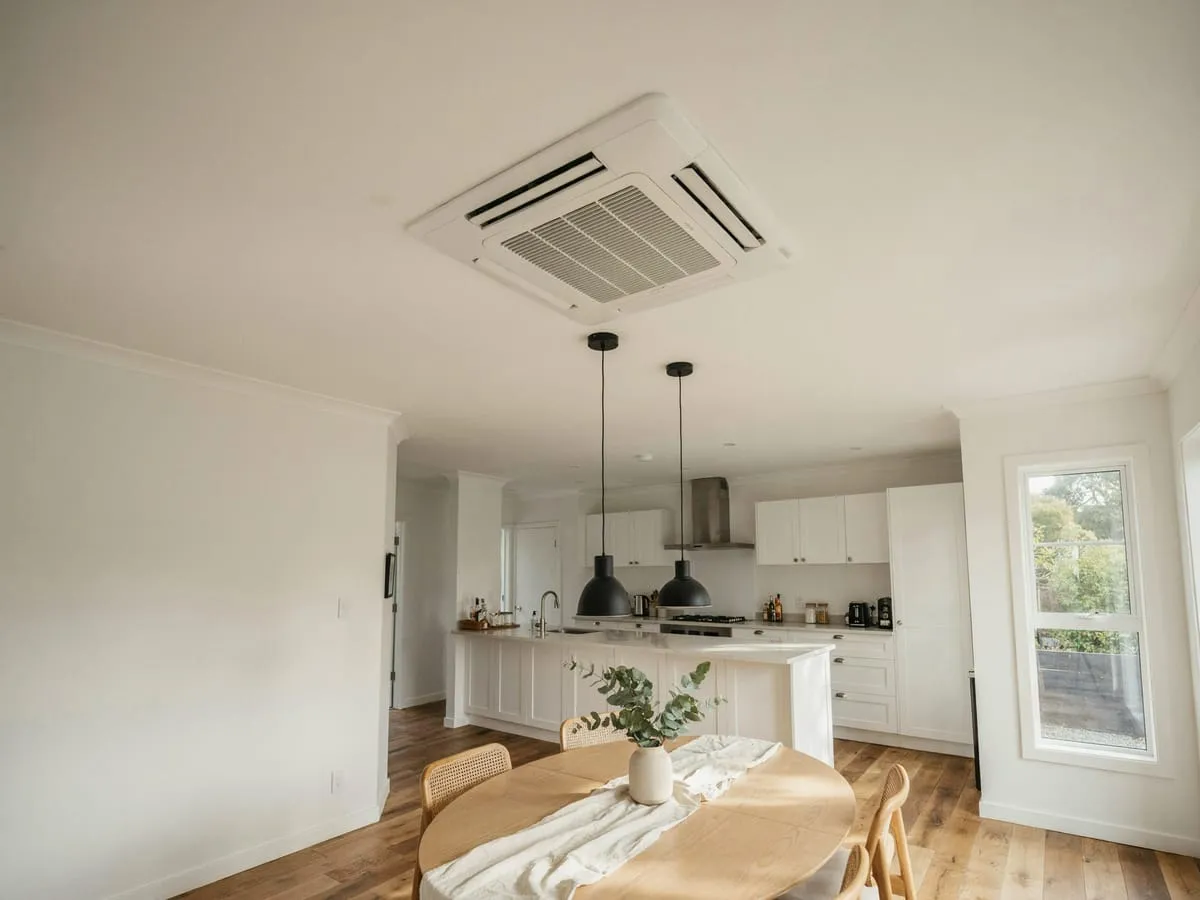
A ceiling cassette sits flush in the ceiling. Its grille blows air down or out. A bulkhead or ceiling concealed unit hides in a dropped ceiling or bulkhead. It blows through a slim grille. Slim bulkhead models suit drop ceilings and shallow ceiling spaces.
Good for: open plan rooms. Renovations where the ceiling’s being opened up anyway. People who don’t want a unit on the wall.
Watch for: they need ceiling space above. They also need access for servicing and for the condensate drain.
Single split systems
One outdoor unit runs one indoor unit. It’s the simplest way to heat one room or an open plan living area. It’s usually the cheapest too. Want another room heated later? You add another system. See single room installation.
Multi split systems
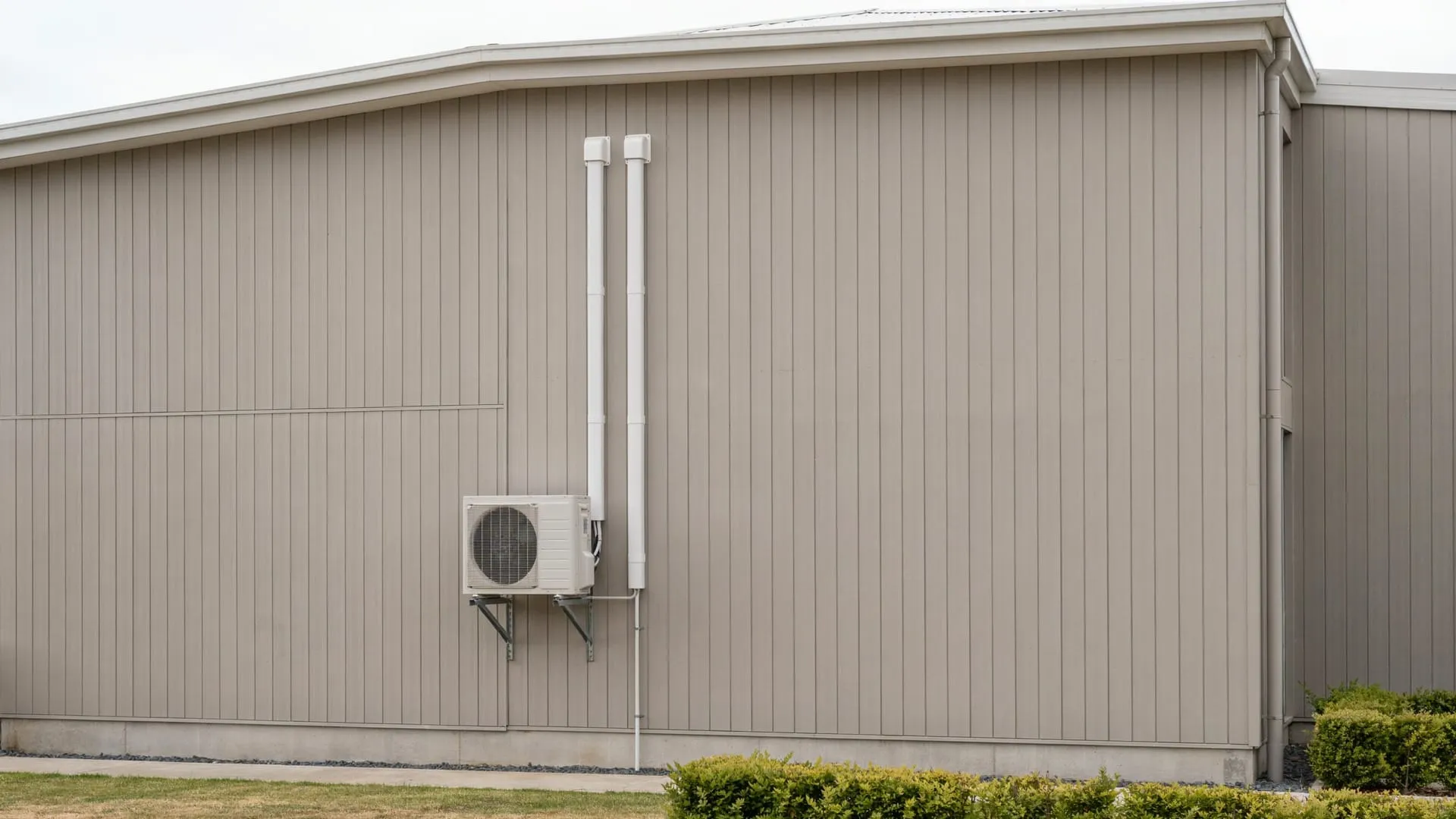
One outdoor unit runs two or more indoor units. They can be different styles. Say a console in the lounge and high wall units in two bedrooms. You get one outdoor unit on the side of the house instead of three.
There are trade-offs. The indoor units share one compressor, so a fault outside hits every room on the system. And the outdoor unit has to be sized for the whole group. In a big space, two smaller units or a multi split can spread heat better than one big unit. They give you more control too. See multi-room installation.
Ducted systems
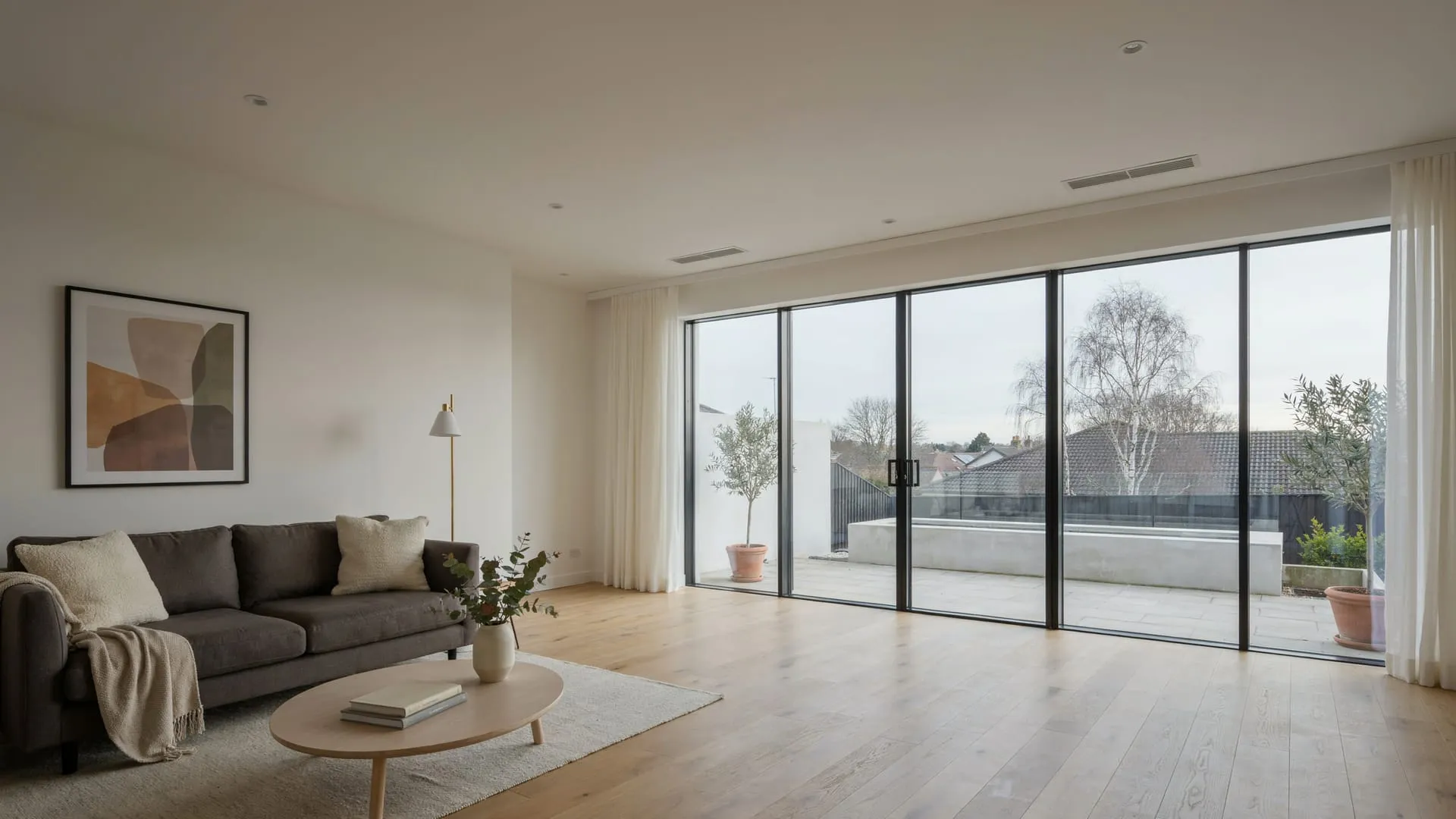
A ducted heat pump hides the indoor unit, usually in the roof space. Warm air goes through insulated ducts to a vent in each room. It comes back through a central grille. Add a zone controller and you can switch rooms, or groups of rooms, on and off.
Good for: heating the whole house with nothing on the walls. New builds. Big renovations where you can get into the ceilings.
Watch for: it needs roof or underfloor space for the unit and ducts. And it’s a bigger job. Before you settle on ducted heat pumps, weigh up ducted vs split systems for your house.
Types of heat pumps for Christchurch houses
The kind of Christchurch house you have usually points to a type.
- Cottages and villas with tall ceilings. In Lyttelton, many homes are timber cottages and villas with high ceilings and sash windows. A floor console under a window can suit those rooms, and it works where a fireplace takes up the wall.
- Open plan homes in newer subdivisions. In Wigram, one well placed high wall unit can often heat a whole open plan living area. Bedrooms need a second unit or a multi split.
- Older homes with closed off rooms. In the older bungalows near the centre of Lincoln, a lounge unit won’t reach the bedrooms down the hall. A multi split with a unit in each room you use suits them better.
- Townhouses with bedrooms upstairs. In St Albans, two and three storey townhouses are well insulated and open plan downstairs. One unit handles the living level. Small bedroom units or a compact multi split cover upstairs.
- Big homes on big sections. On a Yaldhurst lifestyle block, living areas and bedrooms are spread out. Ducted suits a house that’s lived in from end to end. If you only use a few rooms every day, wall units in those rooms cost less to run.
Heat pump types side by side
| Type | Heats | Best at | Main limitation |
|---|---|---|---|
| High wall | One room | Bedrooms, living rooms, cooling | Warm air can sit high in tall rooms |
| Floor console | One room | Heating from floor level | Uses floor space, airflow can be blocked |
| Cassette or bulkhead | One room or open plan | Discreet heating from the ceiling | Needs ceiling space and access |
| Multi split | Two or more rooms | One outdoor unit for several rooms | Shared outdoor unit |
| Ducted | Whole house | Even heat with nothing on the walls | Needs roof or floor space, larger job |
Other things called heat pumps
Heat pump hot water cylinders use the heat pump cycle too. So do hydronic systems that heat water for radiators or underfloor pipes. But they’re separate products. They’re not the air-to-air heat pumps that heat and cool a room.
Which heat pump type suits your home
Usually the house itself decides, and that narrows it down fast. An older villa with a high stud and a fireplace can suit a console. A new Selwyn build with good roof space is a natural fit for ducted. A two-bedroom unit might only need one high wall unit in the living area.
We fit high wall, floor console, multi split and ducted systems. Our brands are Mitsubishi Electric, Daikin, Fujitsu, Toshiba and Rinnai. We’ll look at your rooms and tell you which type fits. Phone 03 242 1023 or request a free quote to get started.
Questions about types of heat pumps
Is a floor console or high wall heat pump better for heating?
For heating alone, a floor console has the edge. It puts warm air out at floor level, and warm air rises. A high wall unit keeps the floor clear and spreads cooling better in summer. In a room with high walls and space under a window, a console can heat more evenly.
Can a floor console heat pump replace a fireplace?
Often, yes. A console can sit in or near where the old fireplace was. The pipes can run through the floor or an outside wall. Seal the chimney so warm air doesn't escape up it.
What is a multi-split heat pump?
It's one outdoor unit running two or more indoor units in different rooms. You get fewer outdoor units on the house. But if the outdoor unit fails, every room on it loses heat at once.
Are all these types heat pumps or air conditioners?
They're the same thing. In New Zealand homes, a reverse-cycle air conditioner is called a heat pump. Every type here can heat and cool.
More on choosing a heat pump type

Get a free heat pump quote
Free quotes, no obligation. We call or email you back the same working day. Monday to Friday, 8am to 5pm.
Call 03 242 1023Request a call back