Heat pump size guide: what size do you need?
We size every heat pump we fit from the rooms it has to heat. Here's how to work out the kW your room needs on a cold Canterbury morning.
Prefer to talk? Call 03 242 1023
What heat pump size means in kW
Every heat pump has a heating capacity and a cooling capacity, in kilowatts (kW). That’s how much heat it can deliver. It’s not the power it uses. A 6 kW heating unit can put about 6 kW of heat into a room under test conditions. And it draws much less than that from the wall.
The catch is the test conditions. On the Zoned Energy Rating Label, the main heating figure is measured at 7°C outside. The label also shows output at 2°C. That’s because lots of units put out less heat as the air gets colder. If your nights get down to 2°C or below, check the 2°C figure is the same as the 7°C figure, or higher. Then use it to compare models.
Size for the cold, not the brochure
Pick a heat pump by the heat it gives on the coldest mornings where you live. Don’t go by the rating on the box. This is the method we use:
- Work out the heat the room needs. That’s its heat load, in kW.
- Find the design temperature for your area. It’s set by council area, from the Healthy Homes Standards. For Christchurch City and Selwyn District it is minus 4°C. Waimakariri is minus 4°C as well.
- Pick a model that delivers the heat load at that temperature. Use the maker’s performance chart, which shows output at low outdoor temperatures.
One more thing. A site with a harsh microclimate, like a sunless or damp valley, may need a design temperature a degree or two lower. In Christchurch, that can mean a shaded hillside section or a low spot that holds frost.
A worked example
Take a site with a design temperature of +1°C. That’s milder than Christchurch. The room needs 5.6 kW of heat. At that temperature, a 6 kW model only gives 5.1 kW. That’s not enough. An 8 kW model gives 6.2 kW, so the 8 kW unit is the right pick. The rating on the box was well above what the room needed. And the smaller unit still fell short.
Pick a unit on its rating alone and it can look generous on paper. Then it falls behind on a July morning.
Get a free quote. Installs, servicing and repairs on all major brands.
Heat pump sizing across Christchurch homes
The same room size can need a very different unit depending on where the house is in Christchurch and how it’s built.
- Frosty, exposed plains. In Yaldhurst, nothing stands between the house and the weather off the plains, and still, clear nights bring hard frosts. We size for the cold end of the range and look at how exposed each wall is.
- Hill homes in the wind. In Clifton, many houses are rebuilds and well insulated, so most heat goes out through the view windows. An exposed house also loses heat faster on a windy night. We size for a cold, windy evening, not a still one.
- Farmhouses and villas with high ceilings. In Tai Tapu, older farmhouses have high ceilings and separate rooms off long halls. Warm air collects up under the ceiling and stops at every shut door. We count the ceiling height, and these houses usually need a unit in each room you use.
- Newer subdivision homes. In Burwood, they have insulated ceilings, double glazing and open plan living. A high wall unit sized right can tick over gently. One that’s much too big short cycles.
- Rentals. Lots of homes in Riccarton are rentals. The heater for the main living room must be fixed, heat the room directly and have the capacity that room needs. A heat pump counts as long as it has a thermostat. We size rental units to the living room.
What decides a room’s heat load
The heat load is how fast the room loses heat when it’s cold outside. Work it out from the building, because that’s where the heat goes.
- Sun. Which way the building and its windows face, and how much sun they get. A room that gets sun needs less help from the heat pump.
- Areas. The size of the walls, ceiling, windows and floor. The more surface there is, the more places heat escapes through.
- Draughts. Air leaks round doors and windows let warm air out and cold air in.
- Insulation. In the walls, ceiling and floor, it slows the heat getting out.
- Glazing. Single glazing lets heat out faster than double.
Then look at what kind of home it is: old, new or insulated. And whether it’s a single room or a big open plan space or hallway, where you might need more than one unit.
There’s no honest single watts per square metre figure. Two rooms the same size can need very different units. Take a north-facing room in an insulated, double-glazed Rolleston house. It loses heat far more slowly than a high-stud villa room in Sydenham with single glazing and an open fireplace. Ceiling height counts too. You’re heating the air in the room, not the floor.
What happens when heat pump sizing goes wrong
It can go wrong both ways. An undersized unit runs at full output too often and defrosts too often. The room doesn’t get warm, you get cold air during defrost, and it costs more to run and wears faster. A unit that’s much too big short cycles, because its output is more than the room needs, and it draws more power each time it starts. That also costs more to run, and brings draughts even on low fan, more noise and extra wear.
In Canterbury, too small is the bigger risk. Output drops in the cold, right when the room needs the most heat. A unit a little above the calculated minimum gives you a margin for the coldest mornings.

What size heat pump do I need for open plan spaces?
An open plan space often needs two smaller units or a multi split, not one very big unit. Two smaller units, or a multi split, can spread heat better. They give you better control too. A living area that runs into a kitchen and dining space is a common case. So is a lounge with a long hallway off it. See multi-room installation.
Rental homes
For a rental’s main living room, the Healthy Homes Standards set a minimum heating capacity. Use the same calculation for living rooms in any home. That way the heat pump still complies if you rent the house out later. The official heat pump size calculator runs that calculation.
Beyond an online heat pump size guide
Online estimates are a good start. But they rely on your measurements and your guesses about insulation. Get the room checked in person before you buy. A room that sees sub-zero mornings, like most rooms in Canterbury, needs more heat than the same room in a milder part of the country.
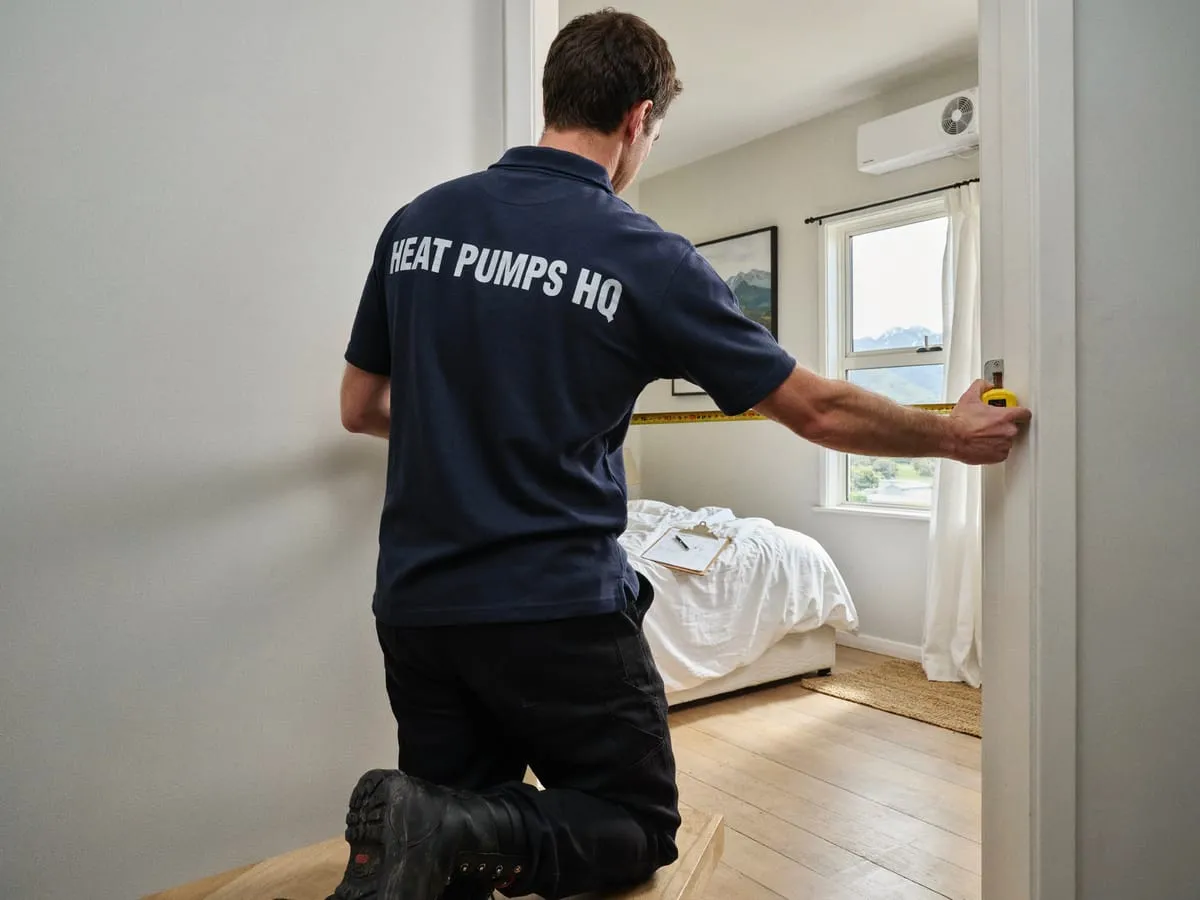
We size on site. We measure the room and look at the insulation and glazing. We check which way the windows face and ask how you use the space. Then we pick a model by its output at Christchurch’s design temperature. If a smaller unit will do the job, we’ll say so. For a free quote, call 03 242 1023 or send us your details.
Heat pump size guide questions
What size heat pump do I need for my room?
It depends on how fast the room loses heat and how cold it gets outside. Heat loss comes from the room's size, ceiling height, windows, insulation and how exposed it is. Floor area alone won't give you a reliable figure. For a starting point, the official heat pump size calculator works it out from your measurements.
Is it better to go bigger with a heat pump?
A little bigger, yes. A slightly oversized unit gives you a safety margin and can be more efficient. An undersized unit's extra running cost generally outweighs the cost of the next size up. Avoid going a lot bigger, though.
What does the kW number on a heat pump mean?
It's the heat it puts out, not the power it draws. The rated heating figure is measured at 7°C outside. On a colder day, the same unit puts out less. That's why the label also shows output at 2°C.
Do I size for heating or cooling?
Size for the job you'll use it for most. Size on the 7°C heating capacity if you'll mainly heat. If you'll mainly cool, size on the 35°C cooling capacity.
More on heat pump sizing
Heat pump size calculator
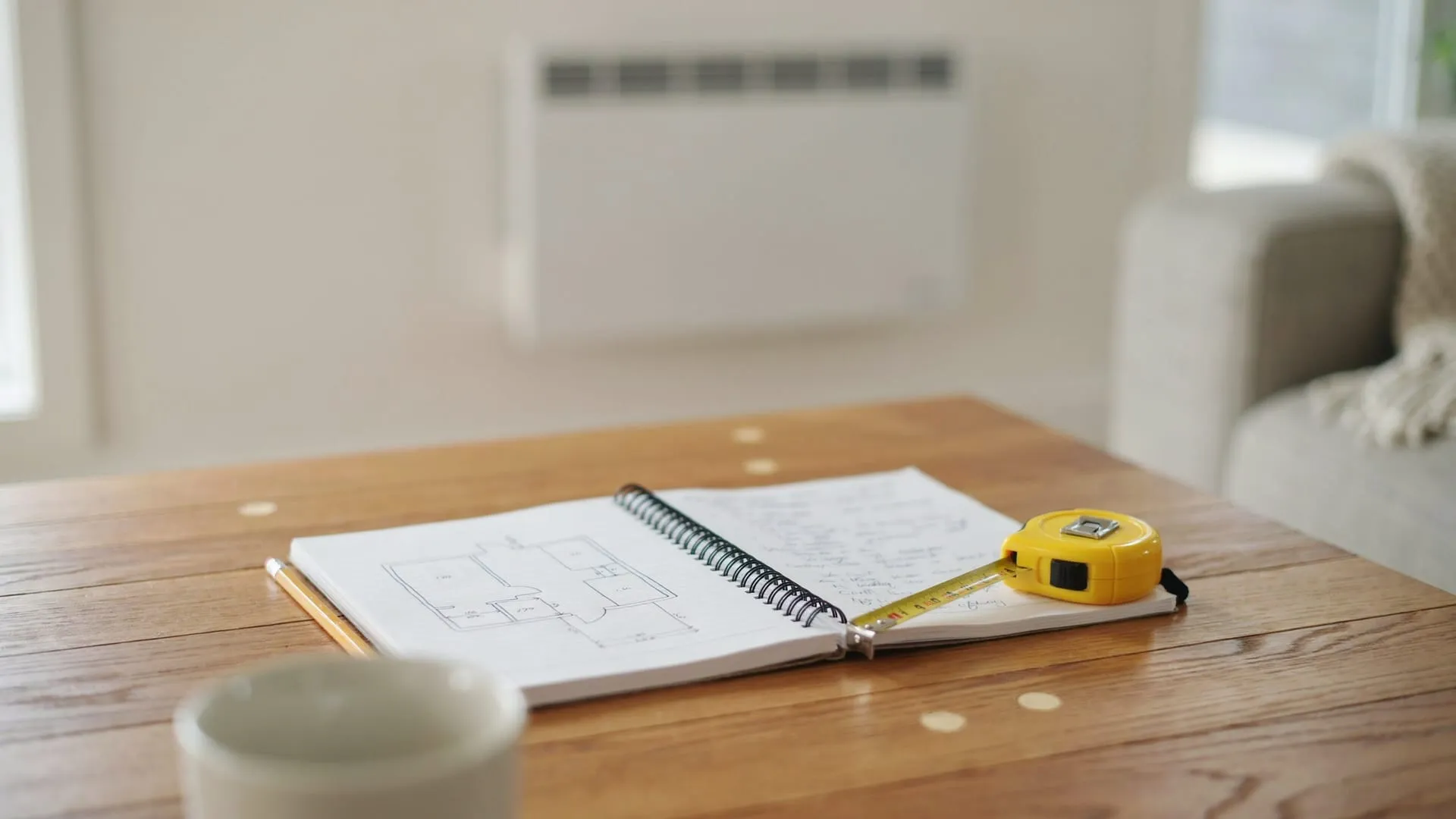
The official tool and the measurements it asks for.
Read the heat pump size calculator guide →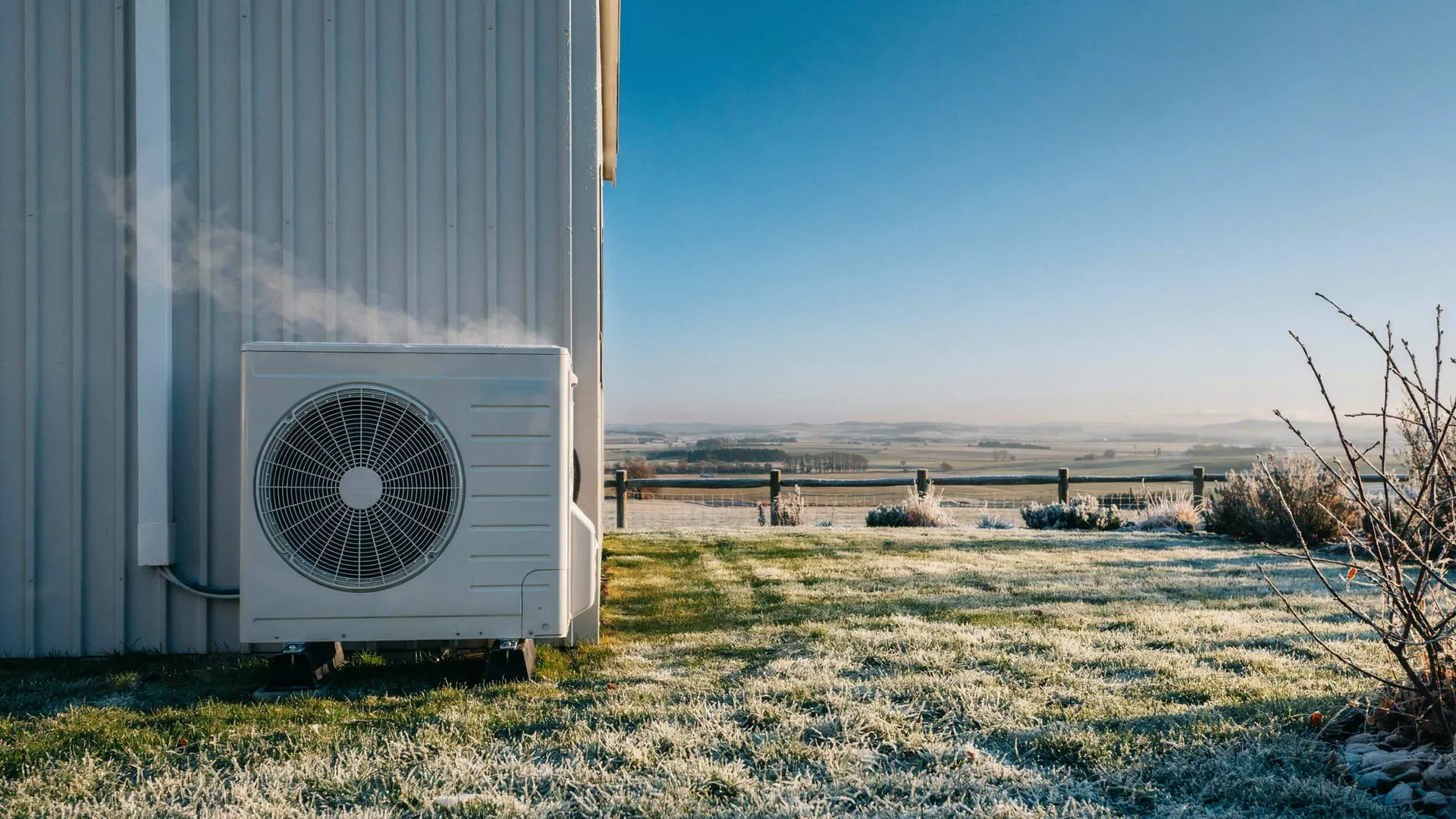
Cold climate heat pumps
Units that hold their output below freezing.
Read the cold climate heat pumps guide →
Buying a heat pump
The full checklist from room to installer.
Read the buying a heat pump guide →Get a free heat pump quote
Free quotes, no obligation. We call or email you back the same working day. Monday to Friday, 8am to 5pm.
Call 03 242 1023Request a call back