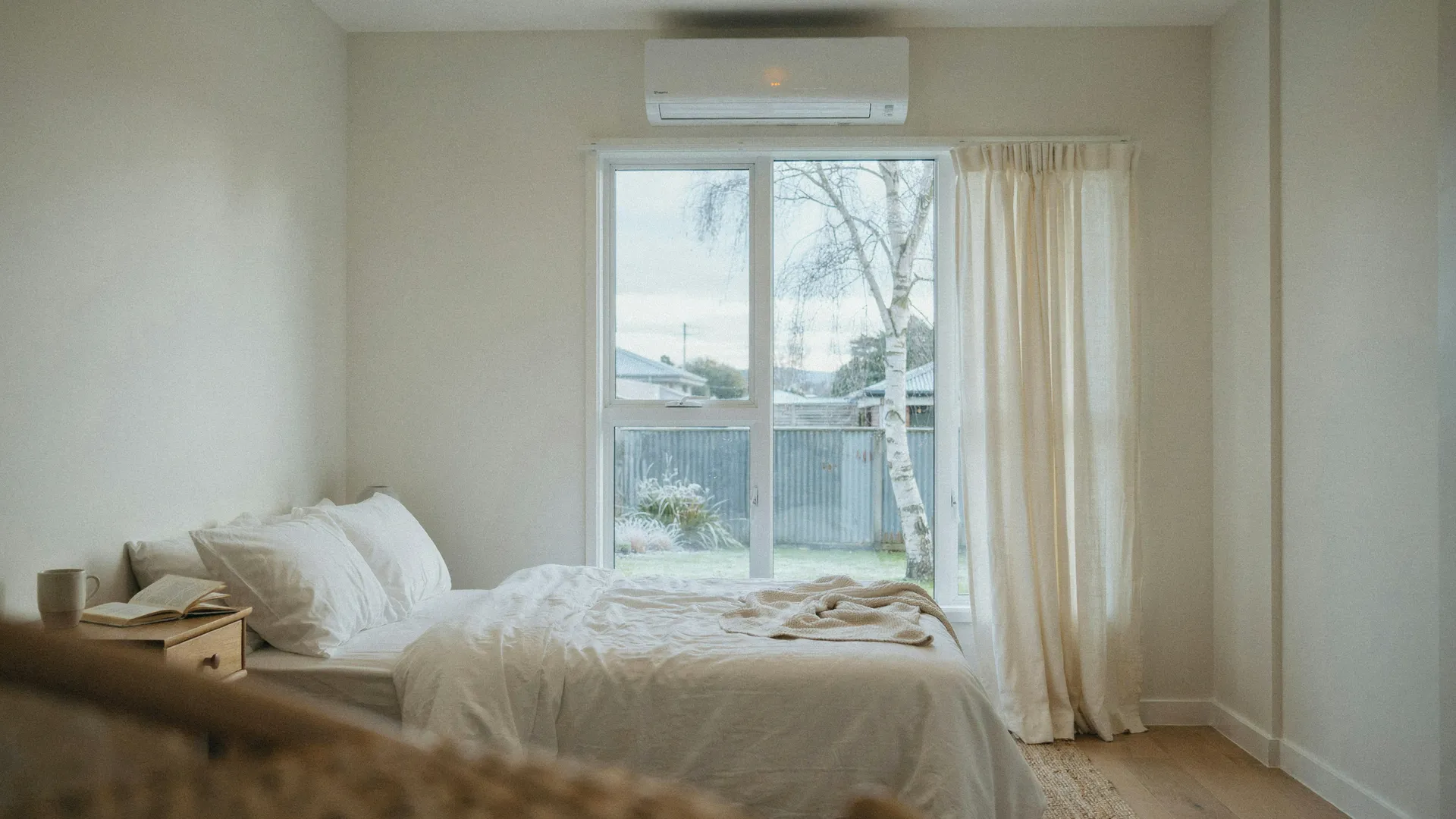
Fujitsu heat pump error codes and flashing lights
A flashing timer light or a code on the display means your Fujitsu has logged a fault. Here is how to read it, what you can safely check yourself, and when to book a technician.
Prefer to talk? Call 03 242 1023
What a flashing Fujitsu heat pump error code tells you
Fujitsu units don’t all report faults the same way. Depending on the model, you might see the operation light and the timer light flash together, the timer light flash on its own, or a code appear on the remote or the indoor display. Any of these means the same thing: the unit has detected a fault and has stopped to protect itself.
The pattern or code is the unit telling a technician where to look. It isn’t a message for you to decode and repair on your own. Your job is to note it accurately, run the safe checks below, and pass it on if the fault stays.
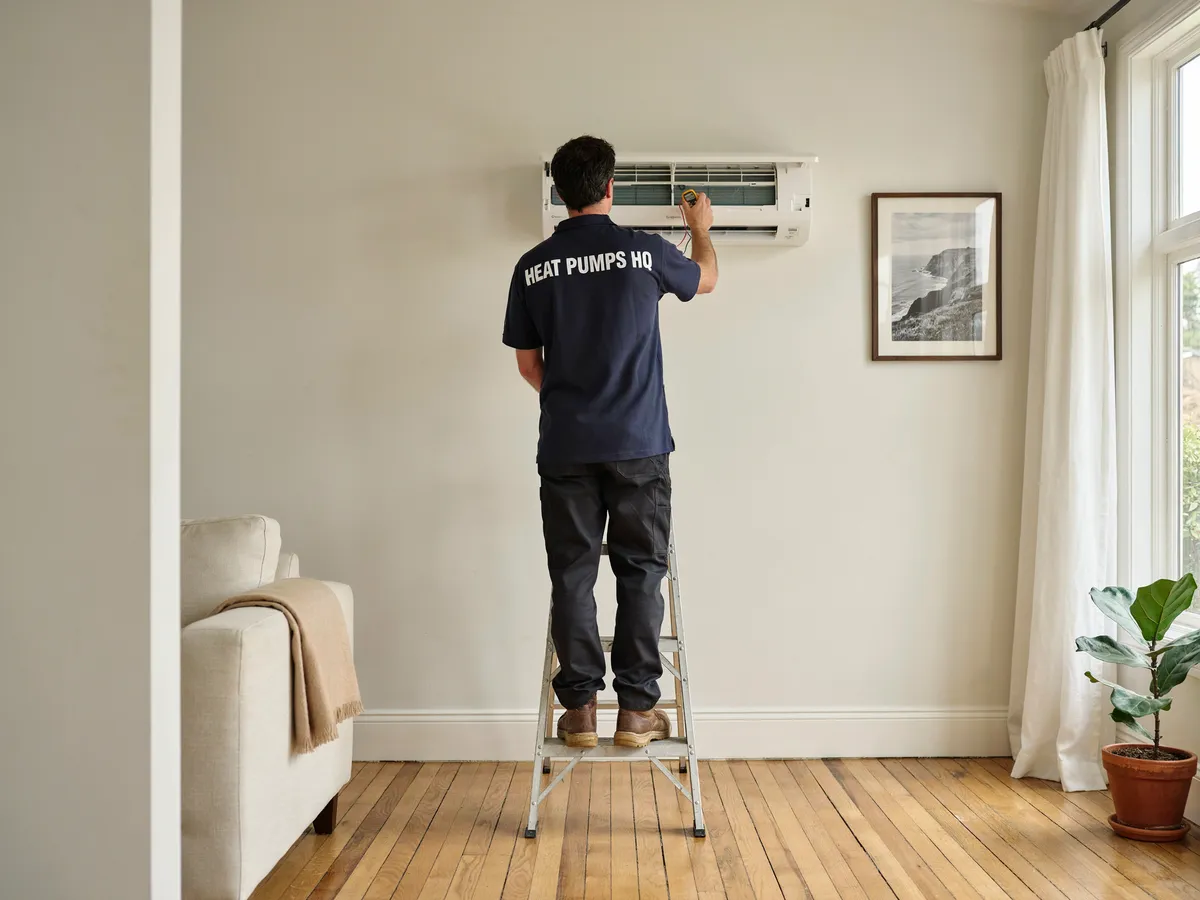
Reading a Fujitsu heat pump flashing light and what to note
Before you reset anything, write down what you see. A technician can work faster with this in hand.
- The code itself. If the remote or display shows letters and numbers, copy them exactly, including the order.
- The flash pattern. If there’s no code, count how many times each light flashes, then how long the pause is before it repeats. Note which lights are flashing: operation, timer, or both.
- The model number. It’s on the sticker on the side of the indoor unit or inside the front panel. Codes differ between models, so this matters.
- When it happens. Does the fault appear the moment you turn it on, after a few minutes of running, or only on cold mornings? That timing tells us a lot.
- What it was doing. Heating, cooling, defrosting, or just sitting idle when the lights started.
Take a photo of the display or a short video of the flashing if that’s easier than writing it down. Then move on to the checks.
Get a free quote. Installs, servicing and repairs on all major brands.
Safe checks to try before you call
None of these involve opening a cover or touching wiring. If one of them clears the fault, you’ve saved yourself a visit.
- Clean the filters. Pull the front panel open and slide the filters out. Vacuum or rinse them and let them dry fully before they go back. A blocked filter is one of the most common reasons a unit strains and trips a fault.
- Check the outdoor unit. Make sure nothing is packed against the back, sides or front. No leaves, no stored items, no solid ice. The fan should turn freely when the unit runs.
- Look at the remote. Fresh batteries, and check no timer or weekly schedule is switching the unit off at odd times. A schedule that clashes with how you use the room can look like a fault.
- Try one power reset. Turn the unit off at the isolating switch beside the outdoor unit. Wait five minutes. Turn it back on and see whether the code returns.
If the code comes back after a reset, stop there. It’s a real fault, and repeating the reset won’t clear it.
General causes behind Fujitsu fault codes
We don’t publish a list of code numbers and meanings, because the same code can point to different things on different Fujitsu models, and a wrong guess sends you chasing the wrong part. What the codes generally fall into, though, is a short list:
- Sensors reading out of range. A temperature sensor that has drifted or failed will log a fault and stop the unit.
- Communication faults. The indoor and outdoor units talk to each other over a signal cable. A loose or damaged connection shows up as a fault.
- Refrigerant problems. Low gas, a restriction or a pressure fault will trigger protection. This one always needs a technician.
- Fan or motor faults. A fan that won’t turn, or turns too slowly, gets picked up quickly.
- Drain and water faults. A blocked condensate drain can trip a fault on models that monitor it.
- Electrical supply issues. Voltage problems or a failing component on the control board.
- Dirty filters and blocked airflow. Not a fault in themselves, but they push the unit into protection.
The code narrows this down. It doesn’t replace testing the parts, which is what a repair visit is for.
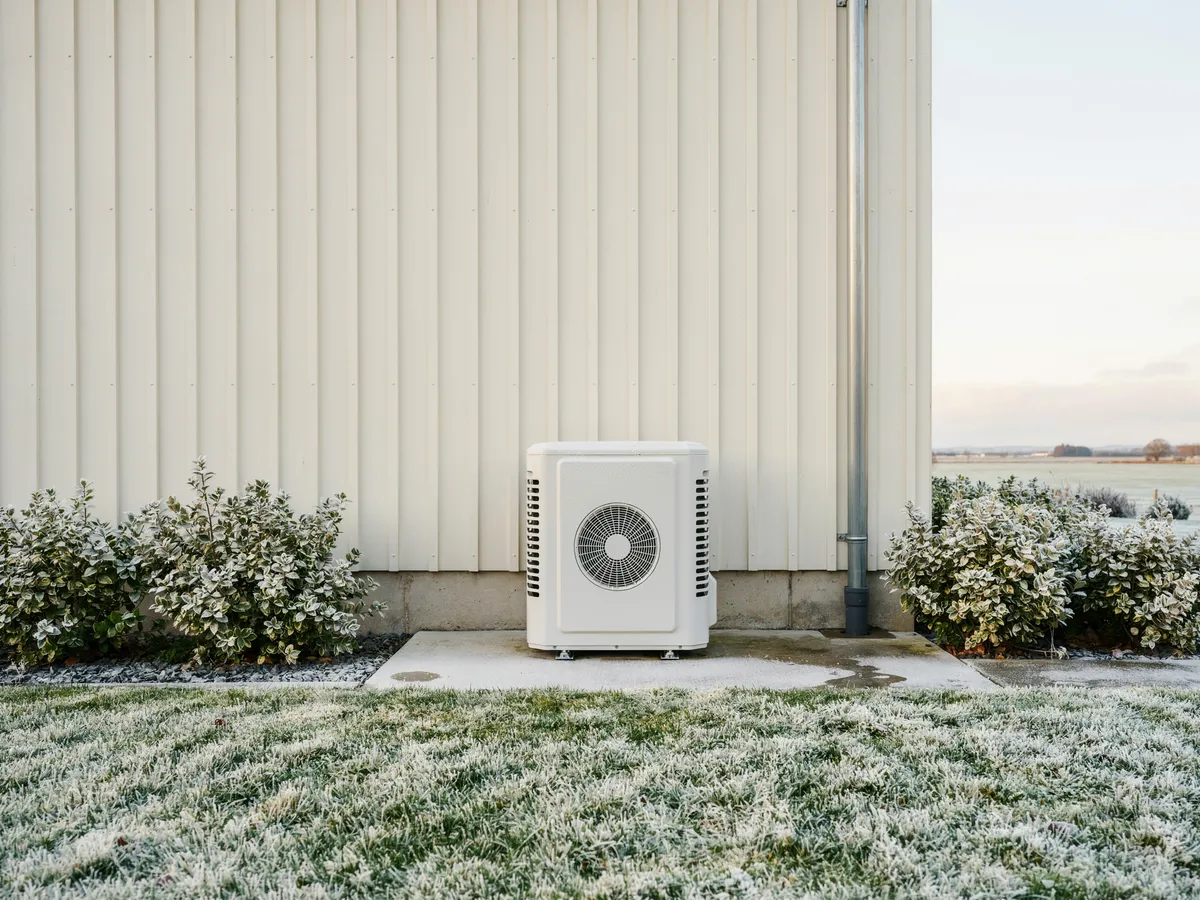
When a Fujitsu heat pump error code means stop and call us
Turn the unit off at the isolating switch and book a visit if you have any of these:
- a burning smell, smoke, sparks or loud buzzing from either unit
- water leaking from the indoor unit
- a breaker that trips again straight after you reset it
- ice on the outdoor unit that won’t clear
- a code or flashing light that comes back after one reset
- a unit that runs but won’t heat or cool
Don’t open the covers on the indoor or outdoor unit to look for a reset button or to check the wiring. There are live parts inside and refrigerant under pressure. Leave it to us.
We repair Fujitsu units across Christchurch, and we can service your Fujitsu at the same time if it’s due. For anything that needs parts or fault finding, see our heat pump repairs. Call 03 242 1023 or book a visit with the code and model number ready.
Keeping your Fujitsu out of fault mode
Most fault codes we’re called out to don’t come out of nowhere. They build up from a unit that’s been left to run dirty or has never been checked.
- Clean the filters monthly through the heating season. It’s a two minute job and it keeps airflow where it should be.
- Keep the outdoor unit clear all year, and check the base drains freely before winter.
- Book a service every year or two. A technician cleans the coil, checks the drain, tests the sensors and catches small problems before they log a fault.
- Watch for changes. A unit that’s getting noisier, icing up more, or taking longer to heat is telling you something before the lights do.
If your Fujitsu has started flashing and you’re not sure why, get in touch. We’ll read the code, test the unit and tell you what it needs, and you decide from there.
Fujitsu fault codes and flashing lights: questions
What does a flashing timer light on my Fujitsu mean?
It means the unit has logged a fault and stopped to protect itself. On many Fujitsu models the operation light and the timer light flash together in a pattern, or a code appears on the remote. Count the flashes or write the code down, then try one power reset. If it comes back, the fault is still there and needs a technician.
Can I clear a Fujitsu error code myself?
You can clear some by resetting the power. Turn the unit off at the isolating switch beside the outdoor unit, wait five minutes, then turn it back on. If the code returns, it is a real fault and resetting won't fix it. Don't take covers off either unit to look for the reset button inside.
Where do I find what a Fujitsu code means?
The manual for your exact model lists the codes and what they point to. Codes differ between models, so a code from another Fujitsu can mean something else on yours. We don't print a code list here because a wrong guess wastes your time. Ring us with the code and the model number and we'll tell you what to check.
Will a dirty filter cause a Fujitsu fault code?
A badly blocked filter can make the unit overheat or ice up, and that can trigger a fault. Clean the filters and check the outdoor unit is clear before you assume the worst. If the code stays after a reset with clean filters, book a repair.
How much does a Fujitsu repair cost?
We don't quote a price before we start. The cost depends on what the fault turns out to be and the parts needed. We diagnose it first, tell you what we found, and you decide before any repair goes ahead.
More help with your Fujitsu
Fujitsu heat pump service
Servicing and repairs for Fujitsu units across Christchurch.
See fujitsu heat pump service →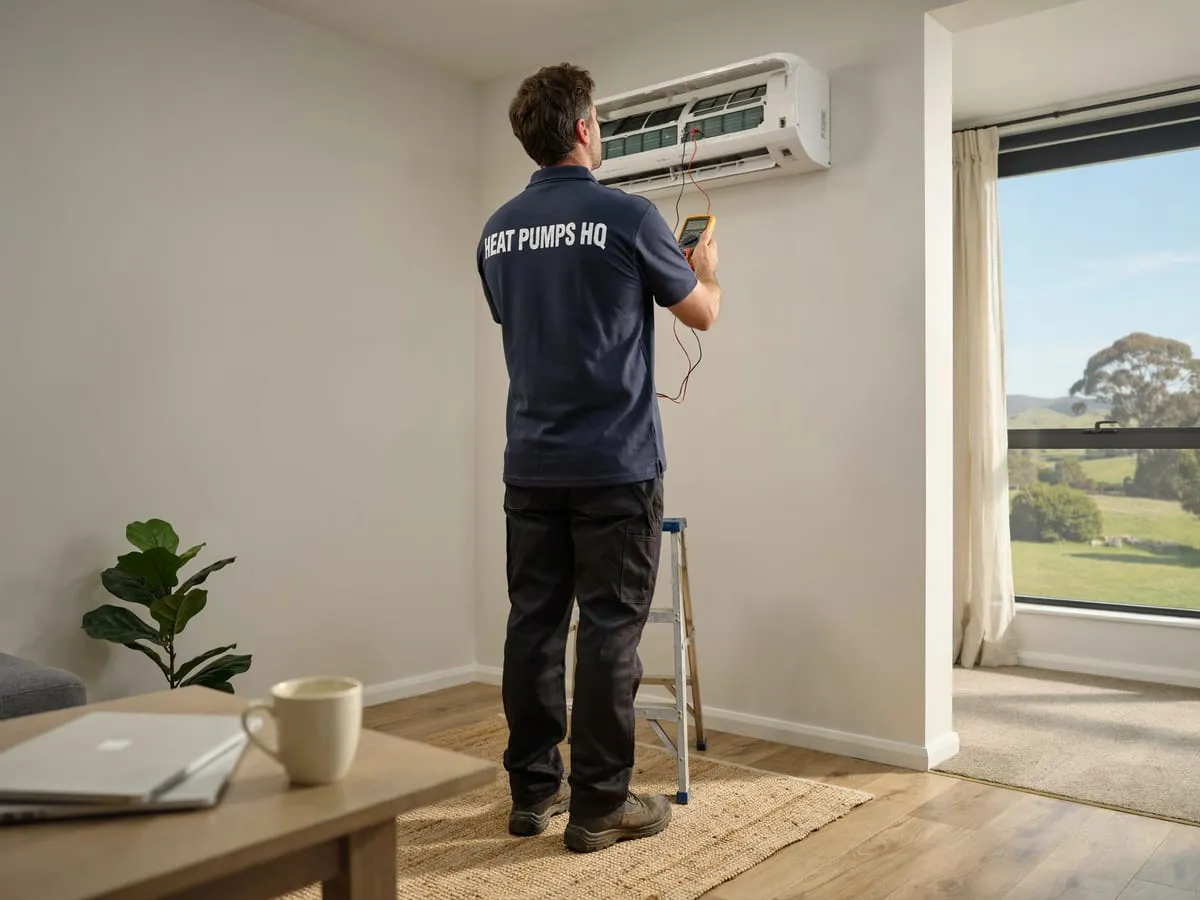
Heat pump repairs
Repair visits on Fujitsu and every other major brand.
See heat pump repairs →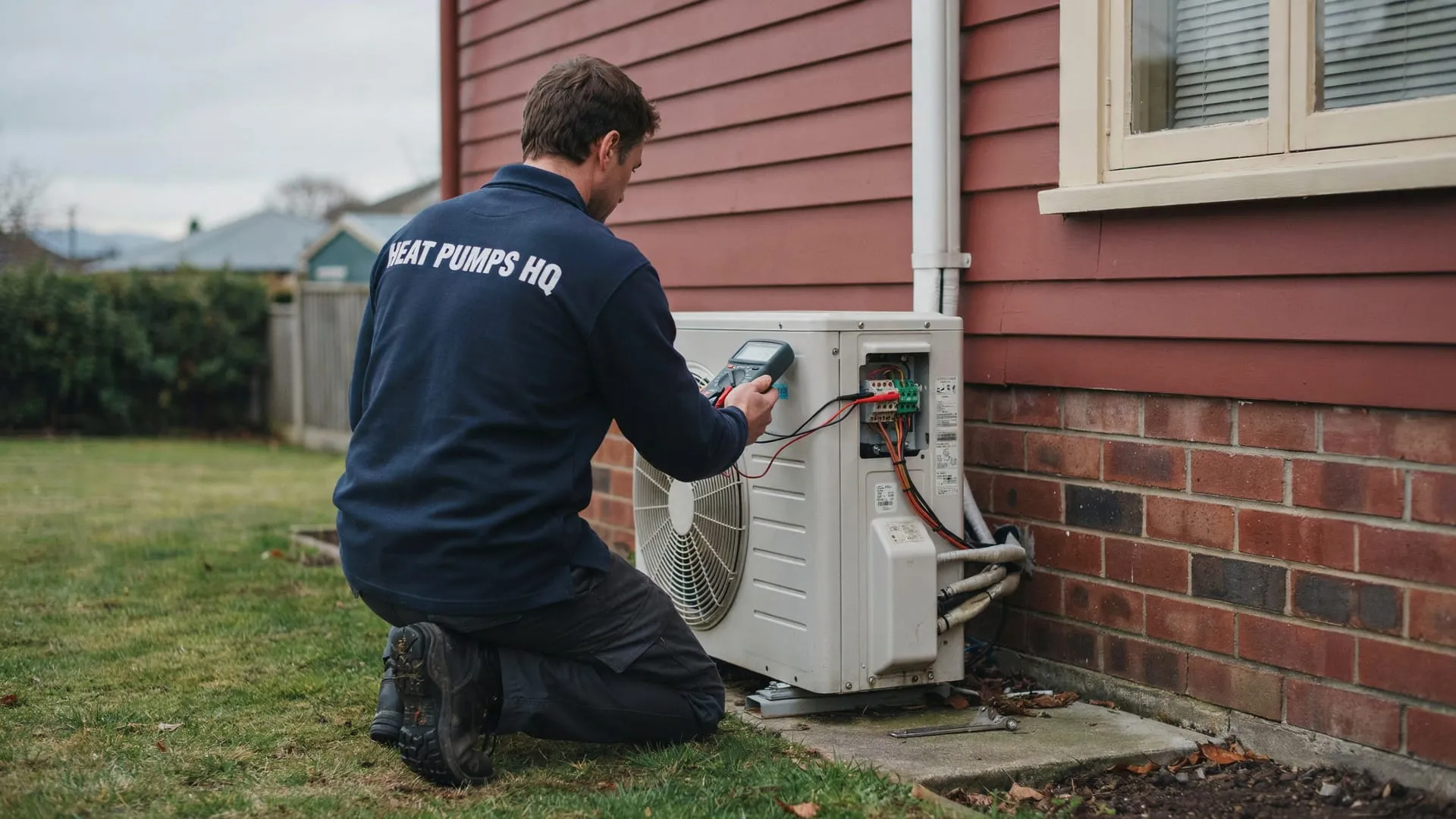
Heat pump troubleshooting
How we test each part when the simple checks don't fix it.
See heat pump troubleshooting →Get a free heat pump quote
Free quotes, no obligation. We call or email you back the same working day. Monday to Friday, 8am to 5pm.
Call 03 242 1023Request a call back