
What drives heat pump running costs?
We size and install heat pumps across Christchurch. A heat pump's running cost comes down to a few things you control: how well the unit matches the room, how tight the house is, the temperature you set and how you run it.
Prefer to talk? Call 03 242 1023
What decides heat pump running costs
A heat pump’s running cost is the power it draws multiplied by what you pay for that power. The power it draws depends on how hard it has to work to hold your rooms at the temperature you’ve set. Several things decide that.
- Size match to the room. A unit that’s too small runs flat out and still struggles on a cold morning. One that’s too big cycles on and off and doesn’t run efficiently either.
- Insulation and draughts. A well insulated, draught-free room holds its heat, so the unit ticks over instead of working hard.
- Set temperature. The higher you set it, the more heat the unit has to deliver and the more power it uses.
- How you run it. Fan setting, whether you leave it on low or switch it off and on, and how clean it is all matter.
- The unit’s efficiency rating. A more efficient model delivers the same heat for less power.
- The weather. Frosty Christchurch mornings make the unit work harder than mild ones.
We’ll go through each of these, then show you how to work out your own cost.
The size of the unit
The single biggest factor is whether the heat pump suits the room. The rated heating output on the label is measured at 7°C outside. Christchurch’s cold mornings are well below that, so a unit chosen on its 7°C figure can come up short when you need it most.
When we size a heat pump, we work from the room’s floor area, ceiling height, glazing, insulation and how cold it gets outside. A unit matched to the room runs steadily at part speed and holds the temperature without straining. That’s cheaper to run than one that’s always catching up.
If you’re not sure what size you need, the single room heat pump calculator gives you a starting figure.
Get a free quote. Installs, servicing and repairs on all major brands.
How well the house holds heat
A heat pump replaces the heat a room loses. The faster a room loses heat, the harder the unit works. Two things drive that loss: how well the house is insulated, and how much cold air gets in.
- Ceiling and underfloor insulation slow heat escaping through the roof and floor.
- Draughts around doors, windows and downlights let cold air in and warm air out.
- Single glazing loses heat fast, especially after dark.
Deal with the draughts and insulation first. Then the heat pump has less work to do. A home heating assessment can help you see where a room stands. For bigger improvements, look at heat pump efficiency upgrades.
The temperature you set
The set temperature is the easiest thing to change. Around 18 to 21°C is comfortable for most people in winter, and every degree above that adds to the running cost. Pick a setting you’re happy with and leave it there. Nudging it up and down through the day doesn’t help.
A heat pump heats to the temperature you set. If you set it higher hoping it warms up faster, it doesn’t. It just keeps going past the point you actually wanted. So set the temperature you want, not a higher one.
Best heat pump settings for winter
These settings get the most heat for the least power.
- Set temperature around 18 to 21°C. Comfortable and not wasteful.
- Use auto fan. It adjusts the fan speed to the room, so the unit isn’t blasting when it doesn’t need to.
- Point the louvres down in heating. Warm air rises, so aim it at the floor to spread heat through the room.
- Leave it on low rather than switching it off and on. A cold house takes a lot of power to bring back up to temperature. Running steadily at a lower setting is usually cheaper.
- Close doors to rooms you’re not heating. Heat the rooms you use.
- Don’t block the indoor or outdoor unit. Air has to move freely over both coils.
Leaving it on all day
This is the question we get most. The answer depends on how long you’re away.
For a few hours, turn the heat pump down a degree or two rather than off. The house keeps some of its heat, and the unit doesn’t have to work hard to bring it back. For a whole day away, switching off is fine.
What you want to avoid is the on and off cycle. Each time you switch on a cold house, the unit runs flat out to recover. That burst uses more power than holding a steady temperature would have. A unit that’s the right size and left to run steadily is the cheapest way to heat.
Clean filters
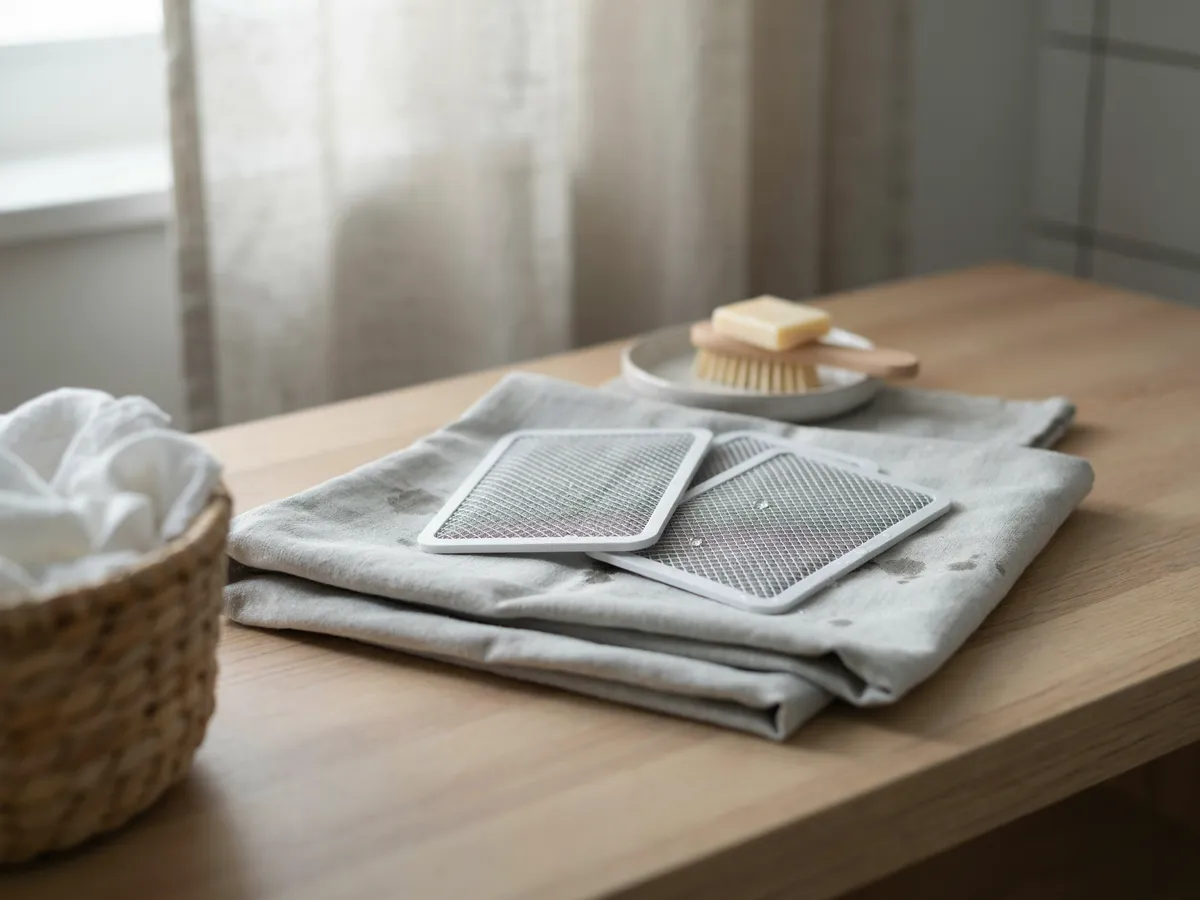
A heat pump moves heat by moving air over its coils. If the filters are clogged or the coil is dusty, air can’t get through. The unit has to work harder to move the same heat, and its power use goes up.
- Clean the filters as often as once a month when you’re using the unit a lot.
- Have the coils cleaned at a yearly service. The outdoor coil collects leaves, dust and, on the coast, salt.
- Keep the outdoor unit clear of plants and stored items.
A clean unit runs closer to its rated efficiency. It’s the cheapest maintenance you can do.
Frosty mornings
On a cold Christchurch morning, the outdoor coil has less heat to collect, so the unit works harder for the same output. Below about 7°C, moisture in the air can freeze on the coil, and the unit defrosts to melt it. No heat reaches the room while it does.
A unit sized for Christchurch’s cold mornings copes better than an undersized one, which has to defrost more often and still struggles. If your heat pump seems to spend a lot of time defrosting, it may be undersized or low on refrigerant. See winterisation of heat pumps for what to check.
The efficiency rating
Every heat pump sold in New Zealand carries an energy rating label. It shows the unit’s efficiency, so you can compare models. A more efficient unit delivers the same heat for less power, which lowers running costs over the unit’s life.
The rating is measured at standard conditions, so real-world figures vary. But it’s a fair guide when you’re choosing between models. Look at energy star heat pumps to see how the rating works and what to compare.
Working out heat pump power usage
We don’t quote dollar figures, because your cost depends on your power price and how you run the unit. Here’s how to work it out yourself.
- Find the rated input power. It’s on the unit’s label or in the manual. It’s the power the unit draws, in kW. Note the heating figure.
- Estimate the hours you run it. Say how many hours a day and how many days a month.
- Multiply. Rated input power (kW) times hours run gives you the energy used, in kWh.
- Multiply by your power price. Your electricity bill shows what you pay per kWh. Energy used times price gives you the cost.
That’s an estimate. It assumes the unit runs at its rated input, which it won’t always. On mild days it draws less; on frosty mornings more. To get a truer picture, monitor your energy consumption and compare it with your bill.
How much does a heat pump cost to run?
Running costs come down to a unit that suits the room, a house that holds its heat, sensible settings and a clean unit. If your heat pump seems to cost more than it should, the place to start is a service and a check that it’s the right size for the room.
We size and install heat pumps across Christchurch. For a free quote, call 03 242 1023 or get in touch. We’ll work out what your rooms need and what it’ll take to run it well.
Working out what your heat pump costs
Is it cheaper to leave a heat pump on all day or switch it off when I go out?
Leaving it on low is usually cheaper than switching it off and on in a cold house. A cold house takes a lot of power to bring back up to temperature, and the unit runs hard to do it. If you're out for a few hours, turn it down a degree or two rather than off. For a whole day away, switching off is fine.
What temperature should I set my heat pump to in winter?
Around 18 to 21°C in the rooms you use. Every degree above that adds to the running cost. Pick a setting you're comfortable in and leave it there rather than nudging it up and down.
Does a heat pump use more power on frosty mornings?
Yes. The outdoor coil has less heat to collect, so the unit works harder for the same output. It also defrosts now and then, and no heat reaches the room while it does. A unit sized for Christchurch's cold mornings copes better than an undersized one.
How do I work out what my heat pump costs to run?
Find the rated input power on the unit's label or in its manual. That's the power it draws, in kW. Multiply it by the hours you run the unit, then by your power price per kWh from your bill. That gives you an estimate in dollars.
Do dirty filters really change running costs?
Yes. Blocked filters and a dusty coil cut airflow, so the unit has to work harder to move the same heat. Clean the filters regularly and have the coil cleaned at a service.
More on keeping running costs down
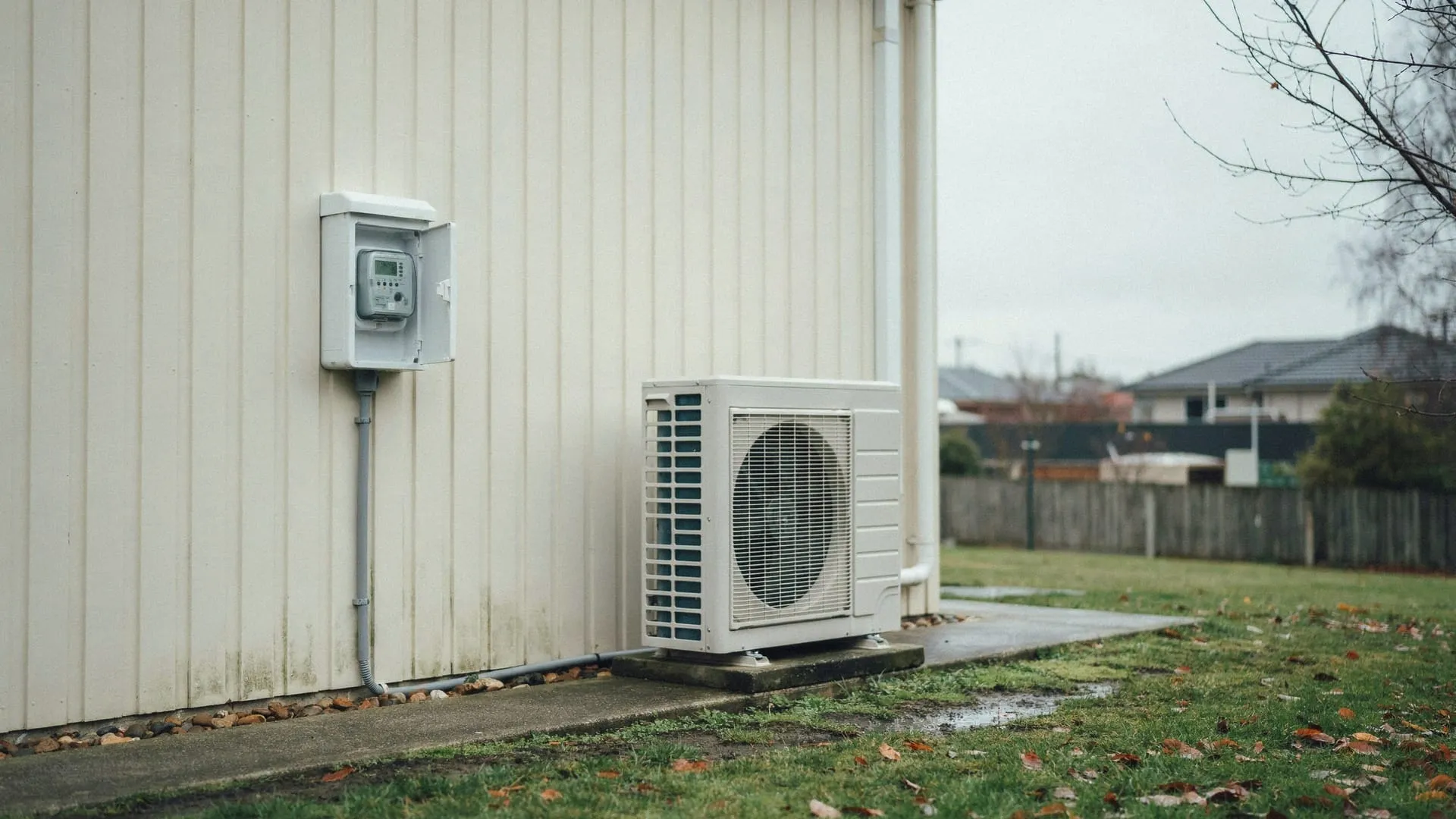
Energy consumption monitoring
Measure what your heat pump actually draws.
See energy consumption monitoring →
Heat pump sizing
Why a unit matched to the room runs cheaper.
Read the heat pump sizing guide →
Energy star heat pumps
How the efficiency rating on the label works.
Read the energy star heat pumps guide →Get a free heat pump quote
Free quotes, no obligation. We call or email you back the same working day. Monday to Friday, 8am to 5pm.
Call 03 242 1023Request a call back