How to read Mitsubishi heat pump error codes
A flashing light on a Mitsubishi Electric heat pump is the unit telling you it has logged a fault. Here is how to read it with the remote, what to write down, and which checks are safe to do yourself.
Prefer to talk? Call 03 242 1023
What Mitsubishi heat pump error codes tell you
When a Mitsubishi Electric heat pump hits a fault, it stops and shows it. The usual sign is the operation light on the indoor unit flashing rather than staying on. Some models also flash a timer light or a combination of lights.
The unit has done this on purpose. It has detected something outside its normal range and shut down to protect the compressor and the rest of the system. A flashing light is not a setting you can switch off. It is a logged fault, and it stays logged until the cause is found or the power is cycled.
Don’t ignore it and keep running the unit. A heat pump running with a real fault can turn a small repair into a large one.
Reading Mitsubishi heat pump error codes with the remote
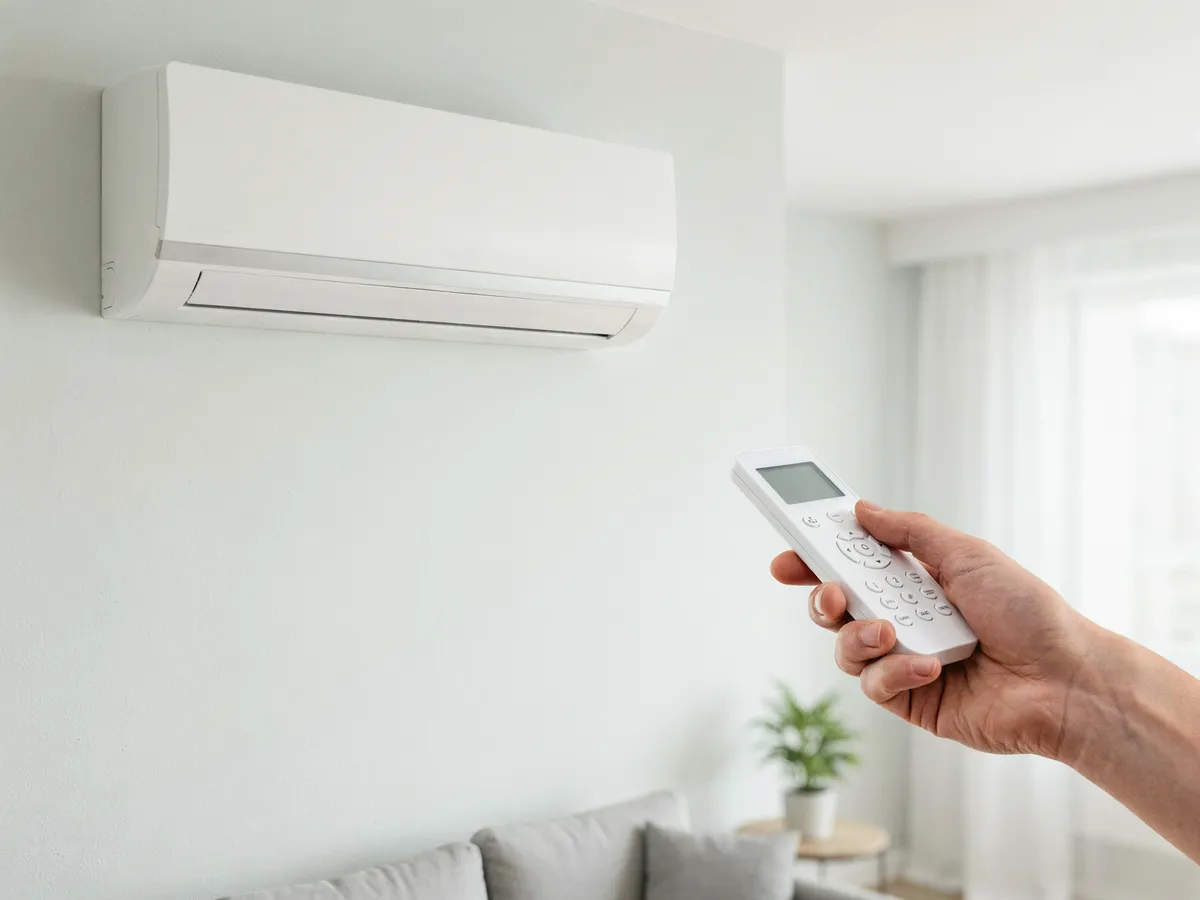
Many Mitsubishi Electric remotes can pull the fault code out of the indoor unit. This is called self-diagnosis, and it saves a lot of guesswork.
The exact buttons differ between remote models. On most, there is a test or check button, sometimes behind a small flap. Press it and the remote shows a code made of letters and numbers. On others, you hold a combination of buttons, and your manual gives the sequence.
Check your manual first. It is the only reliable guide to the buttons on your remote. If you can’t find it, the model number on the indoor unit is enough for us to look up the procedure.
If your remote can’t do it, the indoor unit’s flashing pattern is still useful. Count the flashes and the pauses between them, and note the order. That pattern is the code.
Get a free quote. Installs, servicing and repairs on all major brands.
What to note for Mitsubishi heat pump fault codes
A technician can find a fault much faster with a few facts. Have these ready:
- The model number. It is on the rating plate on the side or underside of the indoor unit. The outdoor unit has its own plate, and both help.
- The code or flash pattern. The letters and numbers from the remote, or the count of flashes and pauses.
- What the unit was doing. Heating, cooling or defrosting. Was it a frosty morning? Had it just started, or had it been running for hours?
- What you have already tried. Filters cleaned, isolating switch reset, and whether the code came back.
Write it on paper or take a photo of the remote display. Codes are easy to misremember.
Causes behind a Mitsubishi error code
We don’t publish a code list, and we’d rather explain why. Mitsubishi Electric has made many series of heat pumps over the years, and the same code can point to different parts on different models. A list copied from another unit can send you after the wrong component. What we can say is the kinds of things a logged fault usually points to:
- A sensor reading out of range. Temperature sensors on the indoor and outdoor units report back constantly. A failed or drifting sensor gives the control board bad information, and the unit faults.
- A fan motor problem. The indoor fan or the outdoor fan has stopped turning, is turning slowly, or the board can’t see it turning. That trips a fault quickly.
- A communication fault between the indoor and outdoor units. The two units talk over a signal cable. A loose connection, damaged cable or board fault breaks that conversation.
- A refrigerant problem. Low gas from a slow leak, or a pressure reading outside the normal range. The unit protects the compressor and stops.
- A drain or condensate fault. Some models watch the drain or the float switch. If water can’t get away, the unit stops before it overflows.
Each of these needs testing with meters and gauges. That is the part we do.
Safe checks for a Mitsubishi heat pump flashing light
Before you book a visit, run these. None of them involves opening a cover or touching wiring.
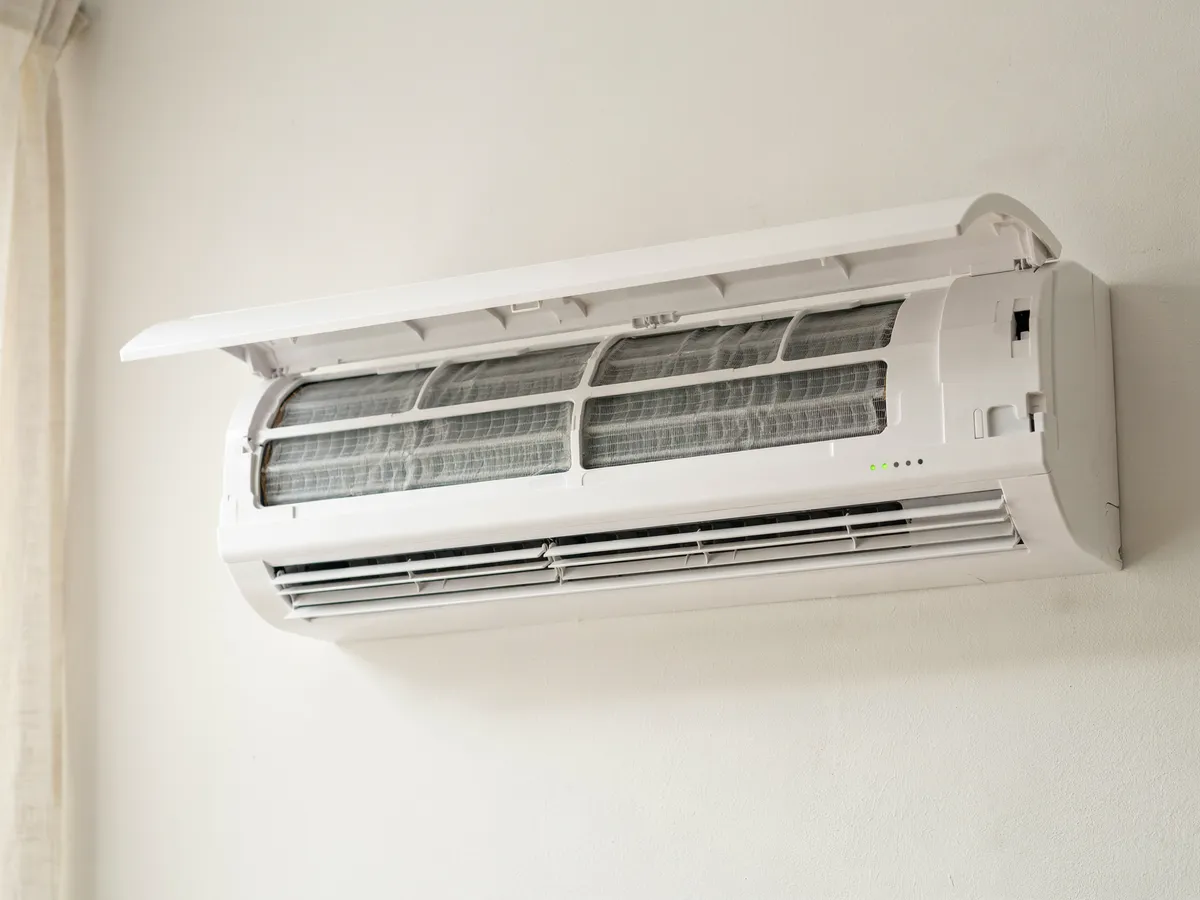
- Clean the filters. Slide them out, vacuum or rinse them, let them dry, and put them back. A choked filter can push a unit into a fault on a hot or cold day.
- Reset once at the isolating switch. Turn the unit off at the switch beside the outdoor unit, wait five minutes, then turn it back on. If the fault clears and stays clear, it may have been a one-off. If the code returns, stop there.
- Check the outdoor unit is clear. Leaves, snow, a cover left on, or a plant grown across the back will all cause trouble. Clear the space around it and check the fan turns freely by eye, with the power off.
- Check the breaker. If the switchboard breaker has tripped, reset it once. If it trips again, leave it off and call.
Stay safe. Don’t take the covers off either unit. There are live parts inside, and refrigerant under pressure. Don’t hose the outdoor unit while it is running.
When Mitsubishi heat pump error codes mean a repair
Book a repair visit when:
- the code comes back after one reset
- the unit won’t start at all
- you can hear the outdoor fan not turning, or the unit is iced solid
- water is leaking inside
- there is a burning smell, smoke, sparks or loud buzzing
Turn it off at the isolating switch first. We repair Mitsubishi Electric units across Christchurch, and we test the actual component rather than guessing from a code list. Book a Mitsubishi heat pump service or a repair visit and have the model number and code ready.
If there’s no code and the unit is just behaving oddly, the symptom by symptom checks in heat pump troubleshooting cover the common ones.
Mitsubishi heat pump fault questions
Why is the operation light on my Mitsubishi heat pump flashing?
A flashing operation light means the unit has logged a fault and has usually stopped to protect itself. The indoor unit flashes a pattern, and on many models the remote can show the code itself. Write down what you see before you reset anything.
How do I get the error code from the remote?
On most Mitsubishi Electric remotes, press the test or check button, or follow the self-diagnosis steps in your manual. The remote shows a code made of letters and numbers. Not every model has this, so check your manual for the exact buttons.
Can I look up what the code means online?
Be careful. Codes vary between models and series, and the same code can point to different parts on different units. A list from another model can send you after the wrong part. Give us the model number and the code and we will test the right component.
Should I keep resetting the heat pump when the code comes back?
One reset is fine. If the code returns, stop resetting it. A fault that comes back after a reset is a real fault, and running the unit can cause more damage. Turn it off at the isolating switch and book a visit.
What should I have ready when I call?
The model number from the indoor unit's rating plate, the code or flash pattern, and what the unit was doing when it faulted. That could be heating on a frosty morning, just after defrost, or straight after you turned it on.
More help with your Mitsubishi
Mitsubishi heat pump service
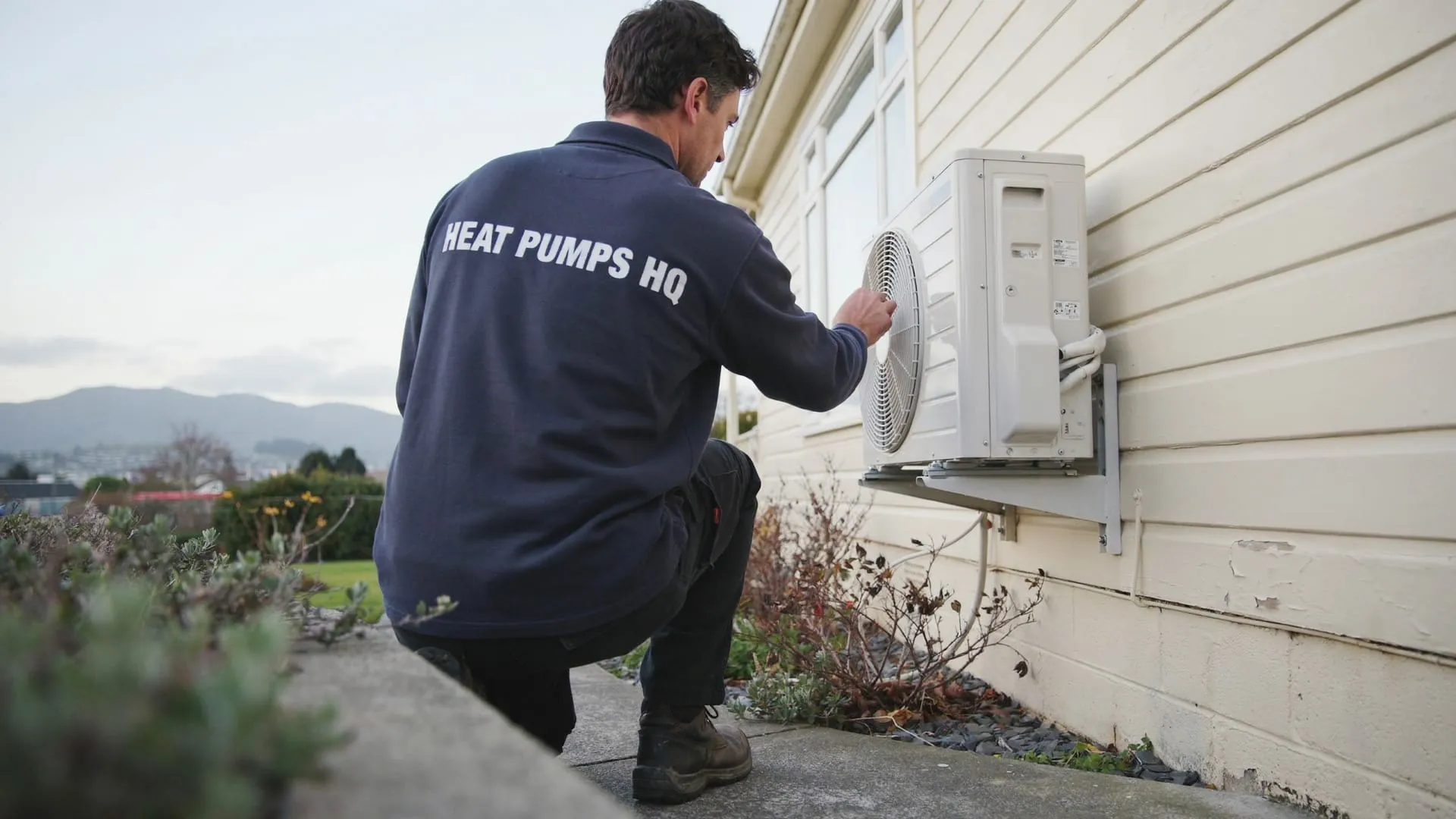
Servicing and repair visits for Mitsubishi Electric units across Christchurch.
See mitsubishi heat pump service →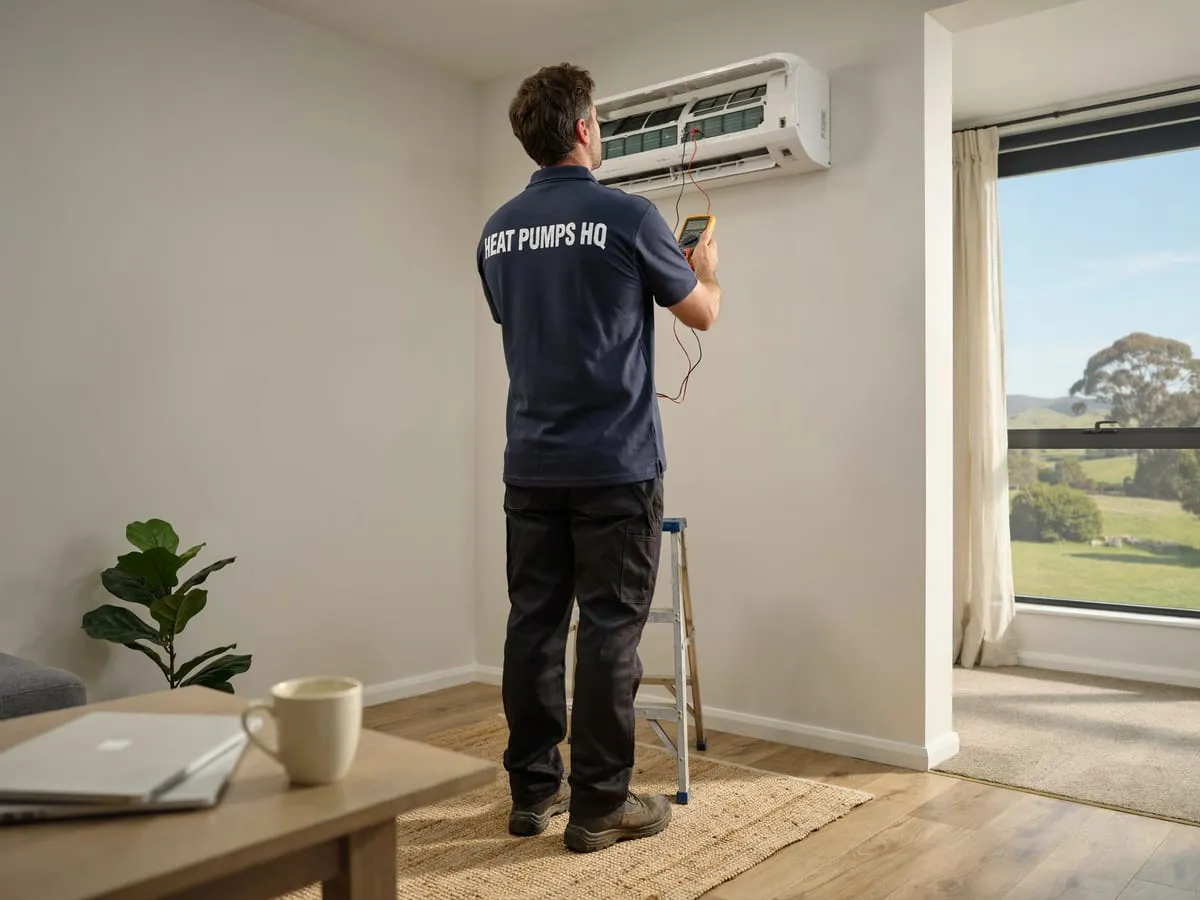
Heat pump repairs
What a repair visit covers and how we trace a fault.
See heat pump repairs →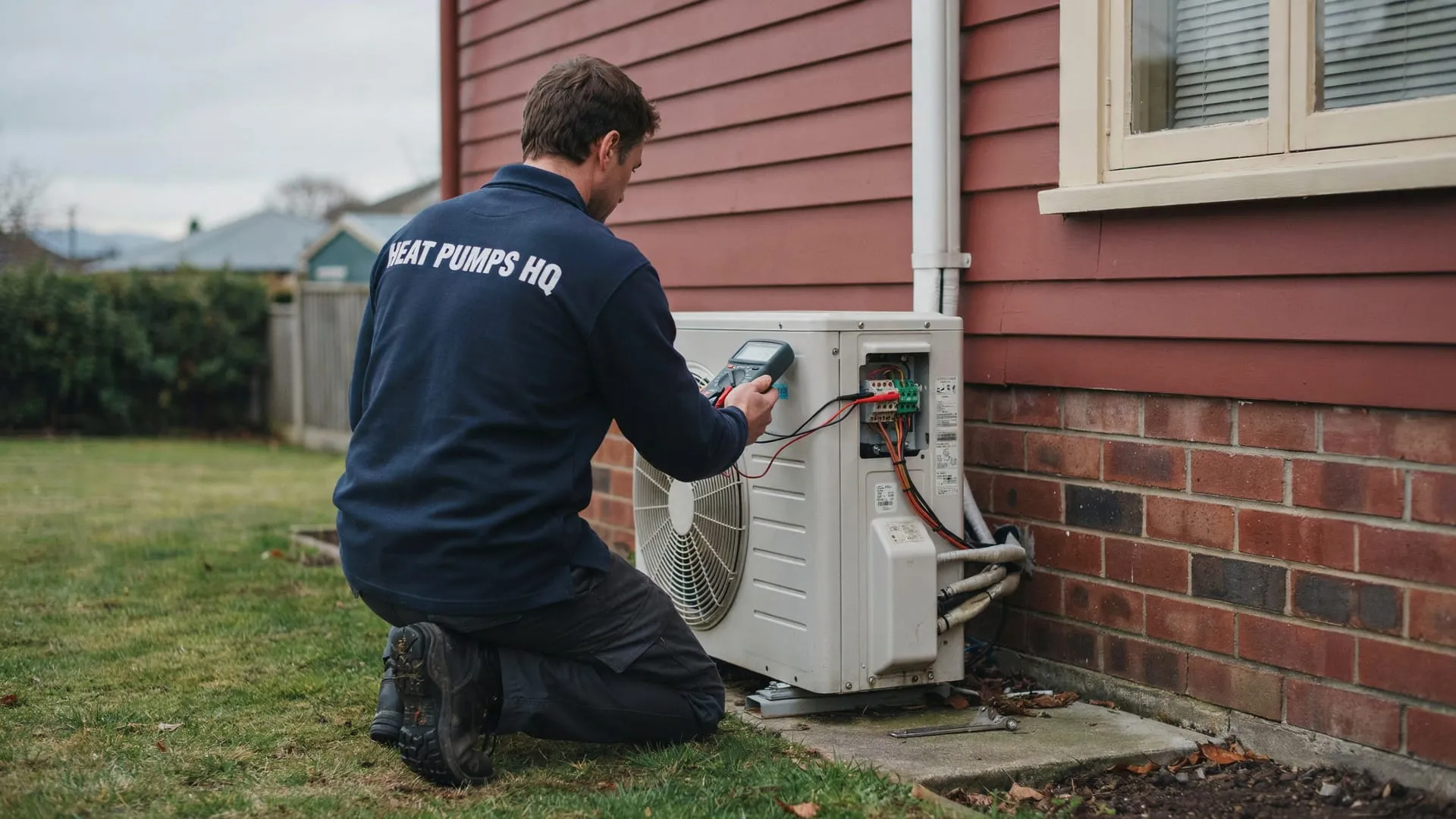
Heat pump troubleshooting
Safe checks for the symptoms that don't come with a code.
See heat pump troubleshooting →Get a free heat pump quote
Free quotes, no obligation. We call or email you back the same working day. Monday to Friday, 8am to 5pm.
Call 03 242 1023Request a call back